 Bilatzailea


[Shamonda virus infection: its spread in livestock; a unique and rare case in people]
The first case of the Shamonda virus has been detected in a cattle herd in Donostialdea. Concern about the virus spread last week, as the ECDC reported that the virus was first found in a person
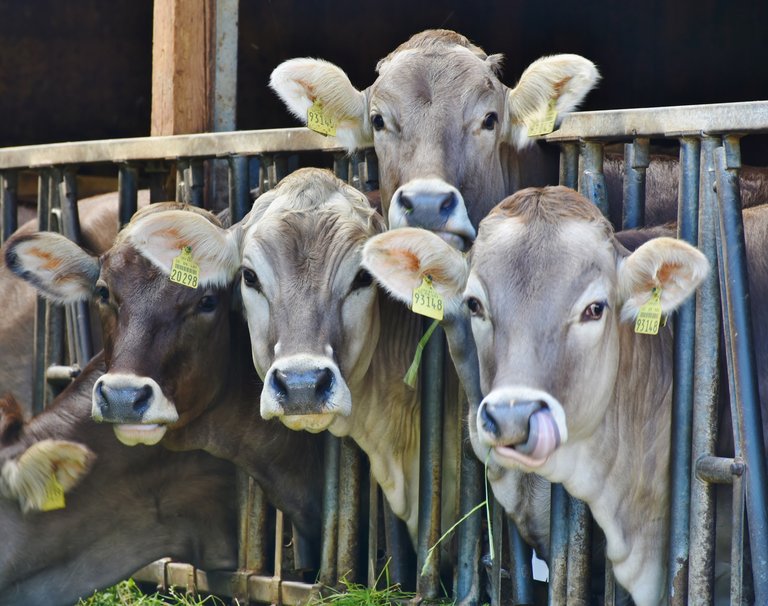
The first case of the Shamonda virus has been detected in a cattle herd in Donostialdea. Concerns about the virus spread last week because it was reported by the Center for Disease Prevention and Control (ECDC) that the virus was first found in a person. Specifically, a French patient with a serious illness was infected and died in early October.
The ECDC explains that it is not known how the patient was infected or whether the virus had an effect on death. In any case, the patient was already admitted for treatment against leukemia and, since the treatment itself caused him to suffer from an immune deficiency, he was at high risk of infection. However, it has been confirmed that there is no risk for the general population.
“the patient was admitted to treatment for leukaemia and was at high risk of infection.”
The Shamonda virus is transmitted by Culicoides mosquitoes and was first detected in Nigeria in the mid-1960s. In Europe, it has been detected this summer, first in central Europe, and then in other places, including France and Spain.
According to the Science magazine, the outbreak has caused great surprise among researchers because two variants have emerged simultaneously in Europe: EU1 and EU2. For the first time ever, I’ve seen it affect horses as well. On the other hand, in Science, it has not been ruled out that the infection was related to the death of the patient.
“In livestock, the impact of the virus is mainly felt in production, as it reduces milk production.”
The Provincial Council of Gipuzkoa has reported on the infection of bovine animals in Donostia. It conveys a message of tranquility, indicating that monitoring and follow-up are being carried out to know the evolution of the epidemiological situation and to detect new cases in time.
In livestock, the effect of the virus is mainly observed in production, since it reduces milk production. It also causes fever, abortions, and malformations in fetuses. Most adult animals recover.
Experts remember that the best strategy to prevent them is the Single Health: to take care of the health of the environment, animals and people together.
Buletina
Bidali zure helbide elektronikoa eta jaso asteroko buletina zure sarrera-ontzian
Bizitza




Aldizkaria
Kolaboratu
Zure lana argitaratzea nahi duzu?
Gai zientifiko bati buruzko artikulu bat baduzu, bidali eta sarean zein aldizkari inprimatuan argitaratu dezakegu.