 Bilatzailea


The ovaries change their function after menopause
It was thought that the ovaries became inactive when they reached menopause. However, research has shown that even if they lose their reproductive capacity, the ovaries become an immune-related structure.
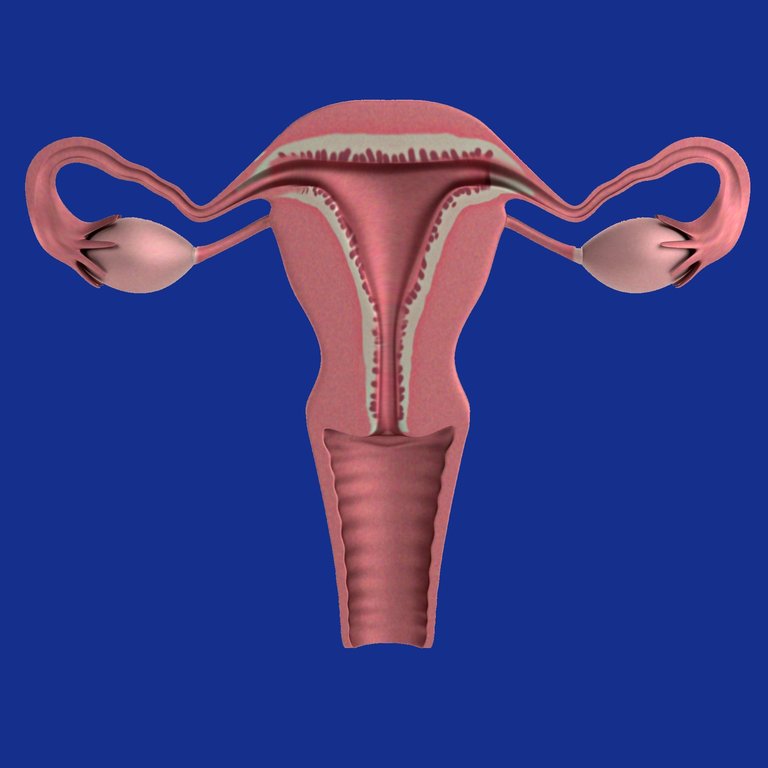
Ovaries are the first aging organs in the bodies of female mammals. In these organs there are structures called follicles, groupings formed by an egg and other types of cells. At birth, each ovary usually has a limited follicular reserve that is depleted throughout life. By the time they reach menopause, each ovary has about 1,000 follicles, and after menopause no follicles usually remain. In addition, the size of the ovaries is also smaller after menopause than before.
A research group at Northwestern University in Chicago has sought to clarify the changes that occur in the ovary over the years. For this purpose, histological and transcriptomic analyses have been performed on the ovaries of several mice.
The study has clarified that ovarian cells in older mice completely lost their reproductive function. In contrast, the presence of other cell types such as lymphocytes and macrophages increased. This suggests that the ovaries became organs related to immunity.
“They emphasize the need to better understand the function of the ovaries, neglecting reproduction and bringing health to the center.”
Researchers say that changes in the ovaries during and after menopause may have a greater impact on the aging process of surrounding tissues than previously thought. In this way, and contrary to what was considered safe, the ovaries do not become organs without function when they lose their reproductive capacity. The authors support the broadening of the perspective and emphasize the need to better understand the function of the ovaries, abandoning reproduction and bringing health to the center.
Buletina
Bidali zure helbide elektronikoa eta jaso asteroko buletina zure sarrera-ontzian