 Bilatzailea


Polymers will help us to be more sustainable
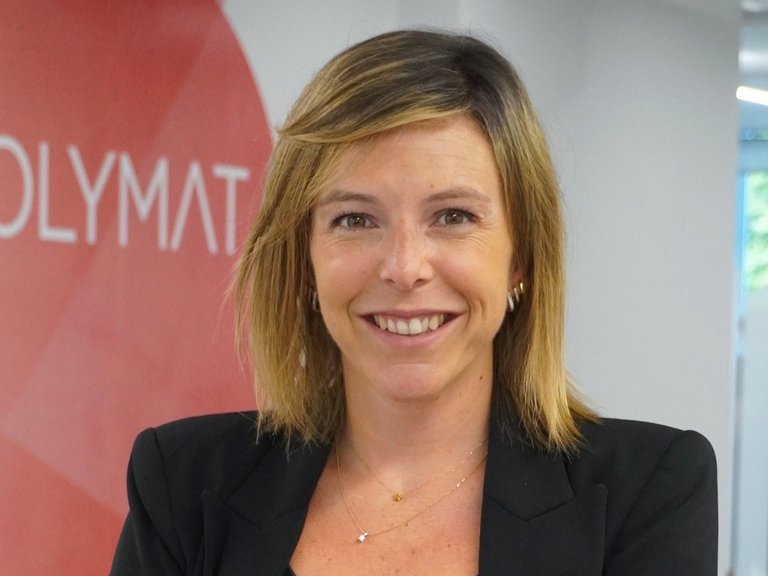
When we hear the word polymer, plastics come to mind. The public image of plastic materials is scarce today, but we need them for many functions. Miren Agirre Arres, researcher at the UPV/EHU and expert in polymers, has exposed the damages and benefits that these materials bring us.
Miren, you come from the world of polymers and you also work in a place of great tradition, the Faculty of Chemistry of San Sebastian of the UPV. In fact, it is a reference place in Europe for the study of polymer chemistry, right?
Yes, that is how it was born, with that singularity, and in these 50 years it has maintained that singularity. In addition, in the early 2000s, POLYMAT was created from the faculty, giving a strong impulse to research in polymers and, above all, to respond to the needs of companies. At the faculty, we are experts in polymers, but there are other lines of research. I specialized in polymers, which I continue to work on today.
In recent years you have been immersed in polymers. Do you have a long history with these molecules?
Since I started studying chemistry. I did my bachelor’s degree and in the last year he chose the subjects of polymers. Then I did my PhD on polymers.
Could you tell us what a polymer is?
I always explain it this way: a molecule of water is made up of three atoms, and if you ask someone the chemical formula, the answer is always H2O. It has only three atoms. A polymer, however, is a macromolecule, i.e., a large molecule composed of thousands of atoms that are repeated over a long chain by covalent bonds. A polymer can be both natural—like the DNA in our body—and synthetic—that is, synthesized in the lab or industry.
But polymers have a kind of magic, don't they? The small molecules used to form the polymer have some properties, and the final large molecule has other properties
That is, the properties possessed by a polymer, such as softness, hardness, rigidity, or flexibility, are defined by the arrangement of the polymer chain and not by the basic atoms. Most polymers are composed of carbon, oxygen and hydrogen, which are then functionalized by other atoms such as nitrogen, chlorine or fluorine.
And by controlling this, we can get the kind of material we want. If we start looking, they're everywhere, right? We need them today for many things: medicine, cars, phones, homes
A few years ago maybe not, but today we need them to continue with the quality of life and the standard of living that we have. And we need them to keep up with the technological advances we have.
But in the current situation, polymers have a bad reputation, since plastics are classified within polymers.
It is necessary to know the differences between polymers in general and single-use polymers. We have said that we use polymers for many things, but what comes to mind when we talk about plastics is the image of these plastics that are accumulating in landfills or in the environment.
I believe that the research of those of us who work in polymer science should be largely focused on responding to the problems posed by these single-use polymers. But I think we need the help of the whole society to deal with the problem. We must address the challenge that researchers face and at the same time reduce the use of single-use polymers by all. We’ve started seeing paper bags or compostable bags in supermarkets. Slowly, I think we’re going in the right direction.
Why do apples enter the packaged trays? I suppose it will be for better preservation, and this subject is also included in the chemistry of polymers. But can't it be avoided?
Perhaps the properties of the apple will be better preserved and for a longer time, or perhaps it is simply more practical, but society is not aware of the amount of waste that this entails. The benefits and harms of this action should be put on the balance sheet. What do we gain from that? And what do we lose? When we are going to buy it, for consumption the next day it may be more convenient to buy it in “granel” format, since it does not generate the same amount of waste. For a few years now, this kind of thing has been seen in supermarkets, and at first we may not have been aware or society was not prepared to deal with this problem. We also know that changing habits costs a lot.
For centuries, very sophisticated things have been done with plastic. Is it easy to find alternatives to plastic?
It's not easy. For example, if we remove plastic protection from electrical cables, what do we replace it with? Today there are several applications that would be incomprehensible without the polymer. Another good example is the goretex, technical clothing that repels the water. After all, a polymeric coating is applied to the garment on the surface. But these compounds contain fluorine atoms and accumulate in the environment, so we want to reduce their use and that is where we are fighting.
And how is that replaced?
I think we can maintain all these specific uses, but there are a number of uses that can be improved, and we need to focus on them. Not so much in the replacement of all polymers, but only in the replacement of the harmful polymers.
Let's talk about recycling. Suddenly it becomes an obsession. How do you see this world?
Yes, there is a team in the faculty that investigates the recycling of polymers within POLYMAT, and they are experts in the field.
I believe that recycling serves to reduce pollution, but also for the circular economy. There are several companies in the area that do this. For example, polymer water bottles, known as PET, recycle and fabricate fabrics with the resulting fiber. They may not be primary textiles, but why not use them to make computer covers? More and more clothing brands are selling them, and I think that’s the way to go.
Do you think there are still many unexplored paths in the world of recycling?
I think so. Physical recycling is more widespread, but various polymers can also be treated by chemical recycling, and much work remains to be done in this regard. By chemical recycling, new molecules or reagents can be obtained from a polymer for a variety of purposes including forming the same polymer, forming a different polymer, or for a different use.
One of the reasons why this path is still poorly developed may be that it is expensive, right? Making polymers from small molecules is easy, but the opposite process is still expensive.
Yes, for this type of process high temperatures are required, which requires a lot of energy. However, I believe that there are many lines of research on this subject. There is a lot of talk about the environmental damage caused by various polymers, and I believe that this has triggered the research line of chemical recycling.
Another word that should be mentioned is the word “microplastic”. They seem to be everywhere, but it is still not very clear where they are released and through what processes they reach where they arrive. What do you think about this issue?
It is true that there are microplastics, which today cannot be avoided. Microplastics are small plastic particles with a size of less than 5 mm. They can be intentionally formed or formed by the degradation of larger plastic objects, for example, water can carry particles when washing clothes. The main challenge is that these particles do not reach the environment. In cosmetic products, there are also numerous microplastics that, once applied to the face, end up in the environment together with water. The current treatment plants do not have the capacity to remove these particles from the water. That is why proper waste management and the application of the principles of the circular economy are essential.
Do you feel very trapped by the social messages about polymers?
Actually, no, I think there are solutions. It is our duty to continue investigating to find substitutes for these single-use polymers and reduce their environmental impact.
Although polymers have historically been synthesized from petroleum raw materials, the use of biomass derived reagents as substitutes is becoming increasingly popular. We are doing a lot of research on this subject, but it also has its limitations. Biomass is a limited resource and is often not constant. The production of a material at the company level requires a certain amount of resources or kilos of raw material per year, which cannot yet be certified with biomass.
The global community of polymer researchers is incredibly large today, isn’t it?
Yes, I think so, but it is true that POLYMAT is special in that sense. There is a lot of research in polymers and in the Faculty, both in the degree and in the master's degree, the science of polymers is studied. This is also what distinguishes the Faculty.
How do you see the future? Are you optimistic?
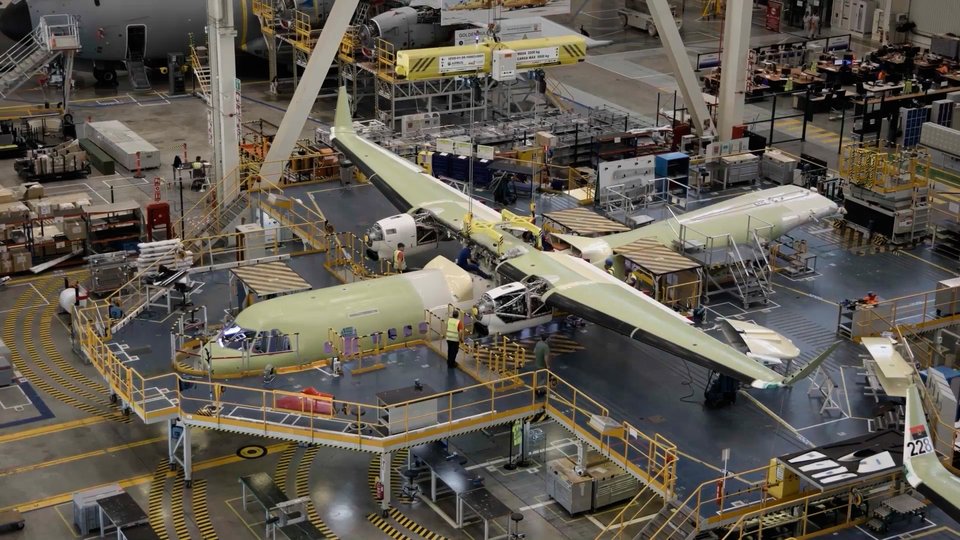
I believe that polymers will help us to be more sustainable. One example that everyone understands is that today aircraft use less fuel because they are lighter thanks to polymers. I repeat: those of us who work in polymer science are aware of the problems that polymers cause, but we believe that they have brought many more benefits than harm, and I believe that in the future it will continue to be so.
Buletina
Bidali zure helbide elektronikoa eta jaso asteroko buletina zure sarrera-ontzian