 Bilatzailea


Extraction of critical minerals and water problem
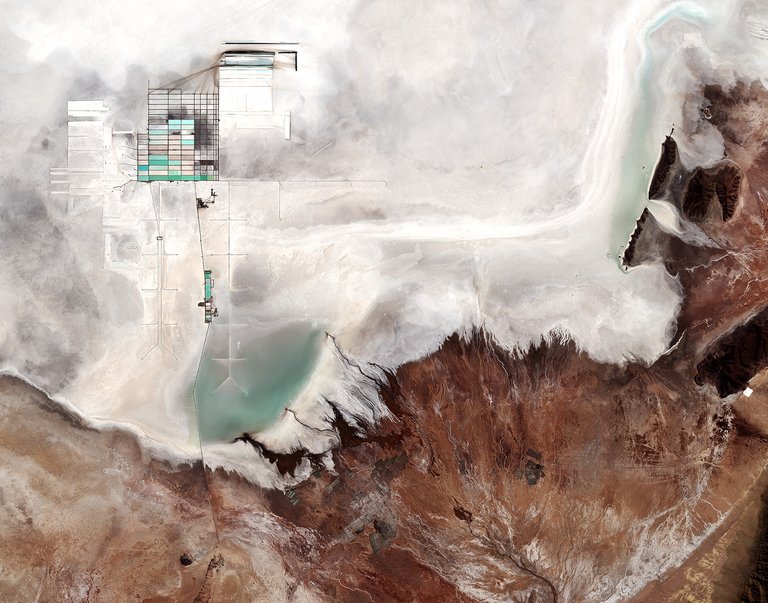
The Institute for Water, Environment and Health of the United Nations University (UNU-INWEH) has just published a report on the consequences of the mining of critical minerals. In it, the harmful effect of the rapid extraction of minerals containing lithium, cobalt and other metals is studied.
The biggest problem is the use of water. On the one hand, because the mining of these minerals requires a lot of water, to the detriment of agriculture, fishing and the consumption of water by people. On the other hand, because mining causes water pollution by heavy metals.
According to the report, the extraction of metals “is rooted in structural injustices” and policies that do not increase inequalities are absolutely necessary. The report refers expressly to the damage that has occurred in certain countries. In Bolivia, lithium extraction has had very strong effects on the territory of Uyuni. And the same mineral has led to a significant reduction in fresh water in Atacama (Chile). On the other hand, the Congo is also a significant example.
All this is the paradox of the transition to the use of renewable energies. The price of not using oil is to exploit metals. In order for electrification and the use of renewable energies to be effective, it is necessary to extract many minerals in order to obtain certain metals in large quantities. Here’s the paradox: clean energy technology requires a polluting phase.
The demand for critical minerals tripled between 2010 and 2023. Demand for lithium, for example, increased by 30% in 2022 alone; two other examples are cobalt and nickel, whose demand between 2017 and 2022 has increased by 70% and 40%, respectively. Tackling climate change through new technologies would require “a nine-fold increase in demand for lithium by 2040 and a doubling of demand for cobalt and nickel,” according to the report.
“Without effective control mechanisms, the very goals designed to protect the planet can accelerate the water crisis, the health crisis and the crisis of injustice in precisely the communities least responsible for causing climate change,” says Kaveh Madani, an Iranian scientist, water policy expert and Stockholm Water Award 2026. These minerals "XXI. he warns that they can become "the oil of the century".
Buletina
Bidali zure helbide elektronikoa eta jaso asteroko buletina zure sarrera-ontzian
Bizitza

Doitasuna hegan egiteko
Garraioak
Aernnova: Diseinutik zerura
Garraioak

Motor aeronautikoak laborategian
Garraioak