 Bilatzailea


Date of the oldest asteroid impact on Earth
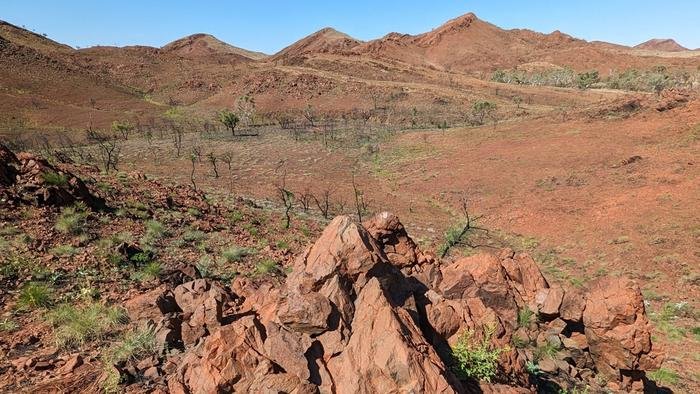
Researchers have recently been able to date the oldest known asteroid collision, which occurred about 3.47 billion years ago.
This dating has been very difficult until now, since it was practically impossible to distinguish the remains of that time from those produced by the geological processes that have followed. But in the North Pole Dome crater in Australia’s Pilbara region, which is believed to be the oldest crater on earth, the collision that gave rise to the crater has been observed using advanced mineral dating techniques 3 billion years ago.
To do this, the zirconium gives them the key. This mineral is very stable and researchers from the Earth and Planetary Sciences schools in Curtins and the geological study schools in Western Australia have observed that some zirconiums had unusual structures, from which they conclude that they originated from the asteroid impact.
That is, the asteroid shock broke the structures of the zirconia, partially recrystallized and in the extreme heat generated by the shock some minerals re-grew.
In addition to zirconium, the researchers have made datations of the mineral apatite, and the same date has been given by this study.
This means that the crater belongs to the time of the Archeozoic Eon, that is, to the time when the continents of the Earth were being formed. The research has therefore led us to the oldest dating we have ever reached in geological time, and having information from that time can help us imagine what the time of the birth of life was like.
Buletina
Bidali zure helbide elektronikoa eta jaso asteroko buletina zure sarrera-ontzian