 Bilatzailea


The mycorrhizae in the subsoil form a network of 110 quatrilions of kilometers
They knew that mycorrhizae were essential for plant life, but no one calculated how many and where they are. The study of terrestrial biomes from deserts to tropical forests has revealed that, together, they form a network one billion times more forgotten than the distance from the Earth to the Sun.
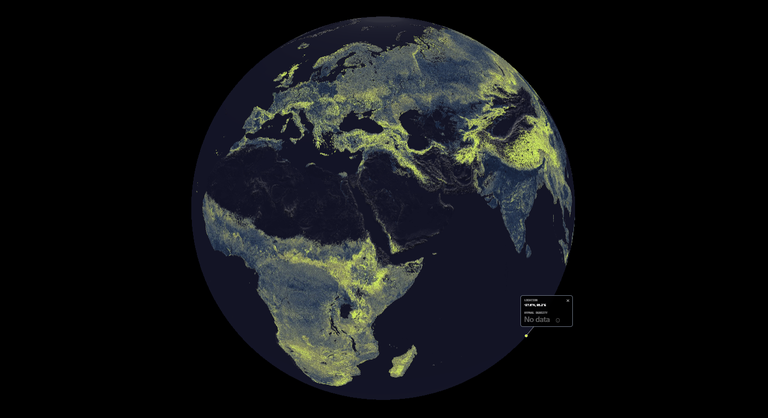
The mycorrhizae in the subsoil are microscopic tubes, thinner than a human hair, but that make up the Earth’s global circulatory system: through which the nutrients and water that plants absorb from the soil are transported. 70% of plant species cannot survive without mycorrhizae, so they are essential to ensure global biodiversity. It has now been discovered that they are also key to climate regulation, since they fix 11% of the CO2 emitted by humans into the atmosphere in the subsoil. The data have been published in the Science magazine.
The process begins in plants, which fix the carbon in the atmosphere by photosynthesis and donate part of this carbon to the fungi of the subsoil. This is how fungi manage to introduce carbon into the subsoil. In return, fungi help plants to collect phosphorus, nitrogen and water from the soil.
“They have seen that the mycorrhiza network is the main system for the underground penetration of atmospheric carbon and, therefore, one of the keys to climate regulation.”
Places with more and less mycorrhizae
When they have completed the world map, they are struck by the fact that the highest mycorrhizal densities have been found in pastures, where 40% of the global biomass of mycorrhizae is found. On the contrary, it is clarified that intensive agriculture damages mycorrhizae, since the number of mycorrhizae in monocultures is reduced by 47% due to the use of fungicides and fertilizers.
We rarely remember living beings in the subsoil, but scientists have stressed that they are essential to combat climate change and avoid the loss of biodiversity. They even point out that this map must be taken into account when designing policies for the protection of soils and ecosystems. An interactive map of the world of mycorrhizae has been made available to everyone.
Buletina
Bidali zure helbide elektronikoa eta jaso asteroko buletina zure sarrera-ontzian
Bizitza

Doitasuna hegan egiteko
Garraioak

Aernnova: Diseinutik zerura
Garraioak

Motor aeronautikoak laborategian
Garraioak