 Bilatzailea


The presence of humans has a significant impact on the behavior of wild animals
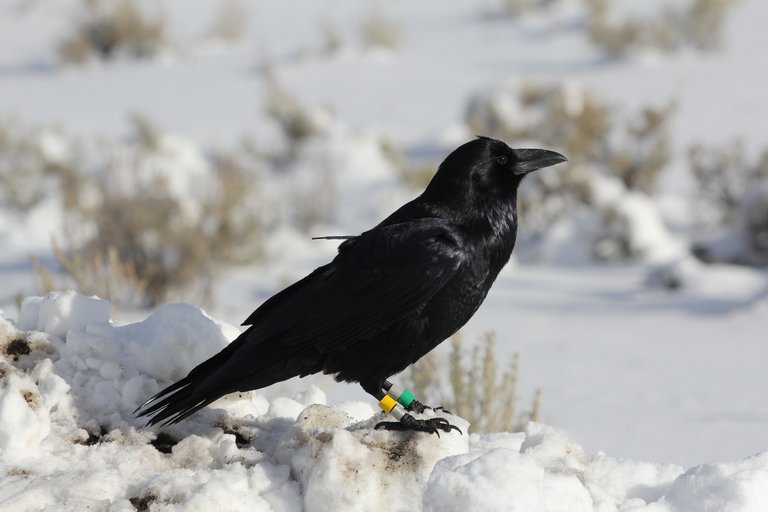
In addition to the transformations that human activity causes in the landscape and ecosystems, the research recently published in the Science journal concludes that the mere presence of man has a significant impact on the behavior of wild animals.
Human activity alters the climate, pollutes, transforms ecosystems, divides habitats. And all this directly affects biodiversity. But, in addition, the human presence itself influences the behavior of animals. To study the latter aspect, the researchers used data from U.S. mobile phones and vehicles to measure the presence of humans, while tracking more than 4,500 animals from 37 species of birds and mammals by GPS.
One of the main conclusions is that most species use smaller areas where human activity is higher. In other cases, the opposite is also true: gray wolves, for example, expand the area, probably to better avoid people. On the other hand, in 22% of the species studied, the negative impact was greater in poorly transformed landscapes. This suggests that animals living in natural environments are particularly vulnerable to human presence.
For the researchers, the results show that the impact of human activity cannot be understood only in view of the transformation of the landscape, since even the human presence causes stress in animals. And behavioral changes due to this stress can also trigger chain reactions in ecosystems, such as seed dissemination, prey populations, or disease transmission.
According to the researchers, massive data on human mobility offers new opportunities to improve wildlife protection strategies. For example, visiting hours or tourist routes in natural spaces could be adapted to minimize the impact on animals.
Buletina
Bidali zure helbide elektronikoa eta jaso asteroko buletina zure sarrera-ontzian