 Bilatzailea


Several microorganisms were involved in the formation of eukaryotic cells
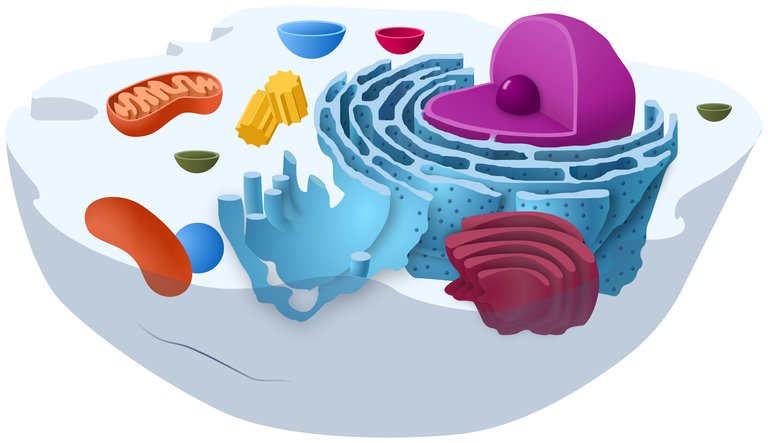
One study suggests that the formation of eukaryotic cells was longer and more complex than previously thought. In addition to the symbiosis between an archaea and a bacterium that was accepted until now, the study indicates that at least two other different bacteria, as well as giant viruses, were involved. The research has been published in the Nature journal.
According to the hypothesis accepted so far, eukaryotic cells (of animals, plants, fungi and protists) emerged from the symbiosis between an archaea and a bacterium. This bacterium then became a mitochondrion, which allowed the development of cellular complexity. This new study does not deny the importance of the mitochondria, but suggests that the process was lengthy and more complex, with even more protagonists.
“In addition to the bacterium that was at the origin of the mitochondria, traces of two other groups of bacteria have been identified.”
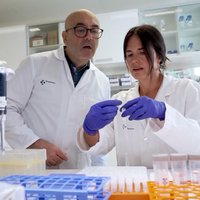
The research has been led by the Institute of Biomedical Research of Barcelona (IRB Barcelona) and the Supercomputing Center of Barcelona (BSC). Computational molecular archaeology has been performed using the supercomputer Mare Nostrum. First, they reconstructed the collection of genes and families of proteins that would have the last common ancestor of all eukaryotes. They then analyzed their origins by comparing them with the genome databases of thousands of bacteria, archaea and viruses.
In addition to the bacterium that was in the origin of the mitochondria, remains of two other groups of bacteria have been identified: Myxococcota and Planctomycetota. The former are related to metabolic functions, including lipid and membrane-related processes. The latter have very unusual internal structures in bacteria, which gives it special interest in understanding the origin of complex cells.
In addition, gene fingerprints left by giant viruses, specifically those of the Nucleocytoviricota group, have been found. These have much larger genomes than conventional viruses and infect single-cell eukaryotes. The researchers believe that these viruses could act as mediators of gene transfer between microorganisms. In this way, they would facilitate the exchange of genetic material between organisms living in the same ecosystem, which would help to shape the genome of the ancestor of eukaryotes.
Buletina
Bidali zure helbide elektronikoa eta jaso asteroko buletina zure sarrera-ontzian
Bizitza

Aldizkaria
Kolaboratu
Zure lana argitaratzea nahi duzu?
Gai zientifiko bati buruzko artikulu bat baduzu, bidali eta sarean zein aldizkari inprimatuan argitaratu dezakegu.