 Bilatzailea


White roofs, parks and agriculture against the heat of the city
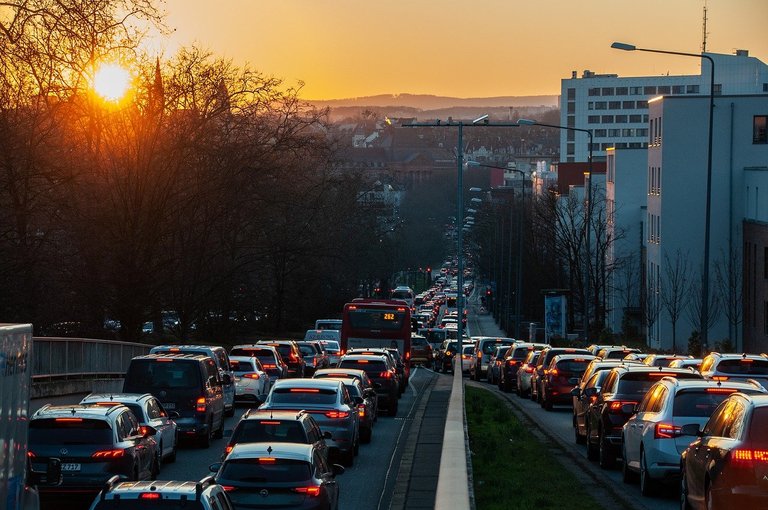
Instead of applying a single green solution to mitigate heat waves and pollution in urban areas, it is much more effective to make comprehensive decisions. In Barcelona, for example, the combination of urban parks, peri-urban agricultural systems and white roofs can reduce the temperature by 1.5°C during periods of heat. This is the conclusion reached by the Catalan Institute of Environmental Science and Technology (ICTA-UAB), within the framework of the Eruopar project URBAG.
Simulations carried out in the metropolitan area of Barcelona show that the white painting of roofs especially reduces daytime temperatures in central and compact areas. It is a quick, relatively economical and especially effective measure in compact neighborhoods. In addition, if combined with the increase of green areas, the effect is prolonged for 24 hours, since at night the effect of the evapotranspiration of the vegetation is added. This would be accompanied by a reduction in pollutants in certain areas, such as nitrogen dioxide.
“Painting roofs in white is a quick, relatively economical and especially effective measure in compact neighborhoods.”
Several future scenarios have been evaluated in the project. The results indicate that the continuation of current urban growth trends will not only increase the built surface, but will also aggravate heat and pollution. For example, in some areas in the northern part of the metropolitan area of Barcelona, replacing forests with urban areas can increase NO concentrations by 8%.
On the contrary, the strategic creation of urban parks can reduce night temperatures by 1.2°C in times of intense heat. Peri-urban agriculture, on the other hand, contributes to reducing tropospheric ozone levels by 7%, as well as making fresh food more affordable. However, proper management is necessary to prevent the increase in runoff and the accumulation of phosphorus in surface waters.
“Unplanned expansion of green spaces can lead to side-effects.”
In this sense, URBAG researchers warn that the unplanned expansion of green areas can cause side effects. Plants can dampen the wind and cause certain chemical reactions, increasing ozone in certain contexts. For this reason, the project has developed tools for the simultaneous analysis of temperature, air quality, resources and social vulnerability before the implementation of policies.
They emphasize that, after six years of research, the message is clear: there are solutions to combat urban warming.
Buletina
Bidali zure helbide elektronikoa eta jaso asteroko buletina zure sarrera-ontzian