 Bilatzailea


Girls are the main consumers of anxiolytics and tranquilizers among European adolescents
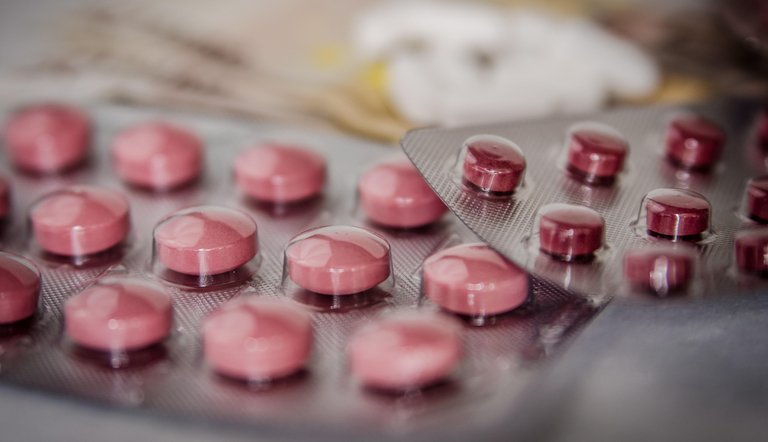
The OPIK research group of the UPV/EHU has analyzed the relationship between gender inequality and economic factors in 32 European countries and psychotropic consumption in adolescents. The results show that in most European countries, girls consume more anxiolytic and sedative than boys, while consumption is more balanced among girls and boys in the richest countries with greater gender equality.
between 1990 and 2021, the number of cases of depressive and anxiety disorders in the European population between 10 and 24 years of age has increased; and growth has intensified in recent years. Adolescents are increasingly taking anxiolytic, hypnotic and sedative drugs, whether or not they are prescribed by their doctor. Researchers from the OPIK – Social Determinants of Health and Demographic Change research group at the University of the Basque Country have been observing for years that there is a significant gender gap in the consumption of psychotropic drugs, both in Basque and Spanish youth, and have now analyzed their consumption at European level.
using the 2019 ESPAD survey (European School Survey on Alcohol and Other Drugs Project), data from nearly 97,000 adolescents aged 15 to 16 years from 32 European countries have been analysed. They explain that there are important differences in consumption between European countries: for example, the consumption of psychotropic drugs by adolescents in Greece and Slovenia was 6%, in Italy 10% and in Latvia 28%.
“In almost all European countries, female consumption is higher than male consumption.”
On the other hand, it is emphasized that in almost all European countries the consumption of girls is higher than that of boys. In Spain, for example, the overall consumption was 14.1%, 14.6% for girls and 13.6% for boys. And this gender gap is also very different depending on the country.
The OPIK researchers wanted to know how economic factors and gender inequalities in the interior of the country can condition the existence of these differences between countries. In the study, the sociodemographic variables of the individual and the characteristics at the country level have been combined. And so, they have seen that many factors at the national level influence the consumption of psychotropic drugs in adolescents.
The results show that adolescents consume less psychotropic substances in countries with greater social and economic inequality, that is, with greater gender and economic inequality and with the lowest gross domestic product (GDP) per person. And in these countries the gender gap is greater, since it is especially boys who reduce their consumption and girls who represent the highest percentage of consumption in these countries. On the other hand, the richest and most egalitarian countries have higher consumption rates, but the consumption of girls and boys is more similar.
“The richest and most egalitarian countries have higher consumption rates, but the consumption of girls and boys is more similar.”
For example, Norway is one of the countries with the highest GDP and the best indicators of gender equality, and despite its significant consumption of psychodrugs (14% have ever taken a psychodrug), girls and boys are quite similar in the survey. Hungary, on the other hand, is a country with an average GDP, but with a marked gender inequality: overall consumption is 12.3%, but the gender gap is large: 14.8% of girls and 9.8% of boys have consumed it. That is, consumption is lower, but the gap is greater.
Therefore, researchers have found statistically significant associations between the consumption of psychotropic drugs in the clinical and non-clinical spheres and the gender inequality and economic level of a society. They point out that other factors should now be analyzed to better explain all this data, such as cultural, socioeconomic, health system, etc. There are multiple and diffuse aspects that come into play. For example, what is the tendency of the population of a country to face mental problems? Are they referred to the health system? What is the tendency of doctors to prescribe psychotropic drugs? Do you prescribe more girls?”
Buletina
Bidali zure helbide elektronikoa eta jaso asteroko buletina zure sarrera-ontzian
Bizitza



Aldizkaria
Kolaboratu
Zure lana argitaratzea nahi duzu?
Gai zientifiko bati buruzko artikulu bat baduzu, bidali eta sarean zein aldizkari inprimatuan argitaratu dezakegu.