 Bilatzailea


The microbiome influences the immune response after vaccinations
The intestinal microbiome may or may not cause fever after receiving a vaccine.
After receiving a vaccine, patients experience very different immune responses and side effects. Vaccines, as well as infections, can trigger an “immunological Big Bang,” which is a succession of molecular and cellular events that culminates when immune memory settles within days, weeks, or months. Fever and flu-like symptoms are the most common, especially in the case of vaccines based on mRNA and lipid nanoparticles, but these side effects are not always present.
“Patients who had more intestinal inflammation before being vaccinated were more likely to have a fever after being vaccinated.”
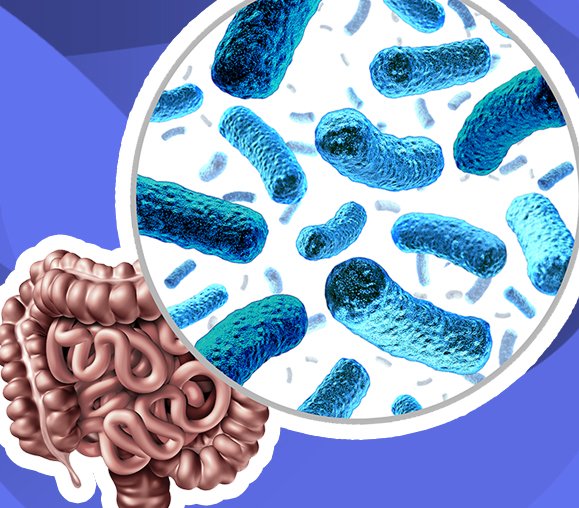
A study has proposed that the gut microbiome may affect the immune response caused by vaccines. To reach this conclusion, researchers analyzed fecal microbiomes, body temperature, and various immune markers in 171 healthy adults before and after receiving the sARS-CoV-2 mRNA vaccine.
The authors concluded that several intestinal bacteria, mainly belonging to the Lachnospiraceae family, produce a protein called flagellin. This molecule activates the immune system and increases the side effects. Patients with more intestinal inflammation and higher levels of flagellin before vaccination were more likely to have a fever after vaccination.
On the other hand, taking into account the diets of the patients, it was concluded that the microbiome of people who ate more plant-based foods caused less inflammation. Conversely, people who ate more fat and processed foods were more likely to experience more inflammation and side effects. However, the authors point out that diet and inflammation do not affect the effectiveness of vaccines.
The results have shown that in the future the microbiome—and possibly the diet—could be taken into account to avoid the side effects of vaccines.
Buletina
Bidali zure helbide elektronikoa eta jaso asteroko buletina zure sarrera-ontzian