 Bilatzailea


The current Ebola outbreak is on its way to becoming the deadliest in history
Health centers are also attacked, so patients refuse to go to them.
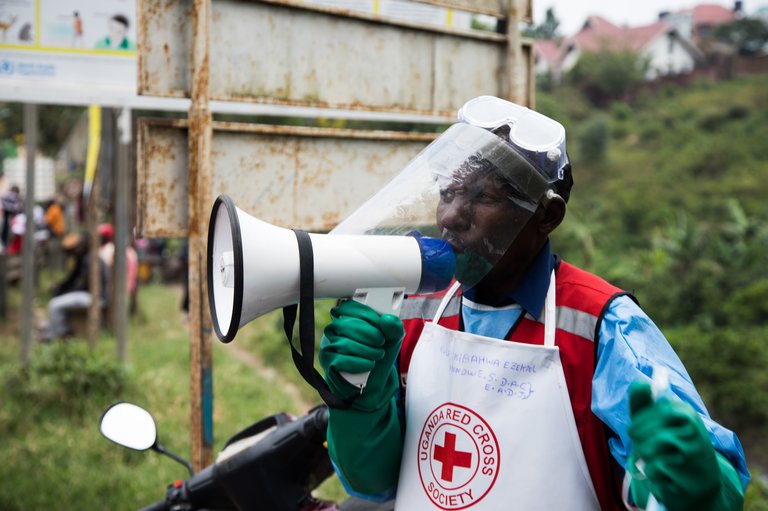
According to the latest update by the European Centre for Disease Prevention and Control (ECDC) on 17 August 2026, the Democratic Republic of the Congo has recorded 4,945 infections, including 2,325 deaths. This means that the plague continues to spread, as cases and deaths have increased since the previous week. In Uganda, on the other hand, the outbreak was terminated on 2 July and no new cases are still pending. However, they have strict preventive measures to prevent the virus from re-entering the Congo.
“The current outbreak is caused by the Bundibugyo virus, which has a mortality rate of approximately 46%.”
According to the World Health Organization, the current outbreak is on track to become the deadliest. In fact, the 2024-2026 outbreak was the most serious to date: it caused 2,616 cases and 11,325 deaths in Guinea, Liberia and Sierra Leone.
The current outbreak is caused by the Bundibugyo virus, which has a mortality rate of approximately 46%. The WHO recalls that there is still no specific treatment or vaccine approved (currently being tested in two treatments and vaccines per person) and that the context is serious: intense violence, uncontrolled migration, large refugee communities Thus, a large part of the population does not have access to basic services such as health care, drinking water, food, shelter and protection.
In addition, health centers are also attacked, so patients refuse to go to them. This makes it difficult to take appropriate control measures to combat the pest (diagnosis, monitoring of cases, isolation of infected people), as well as the safe burial of the dead.
In response to the emergency, WHO has once again highlighted the importance of community-based measures and the role of local authorities and community leaders.
Buletina
Bidali zure helbide elektronikoa eta jaso asteroko buletina zure sarrera-ontzian