 Bilatzailea


Obesity leaves a permanent mark on the immune system
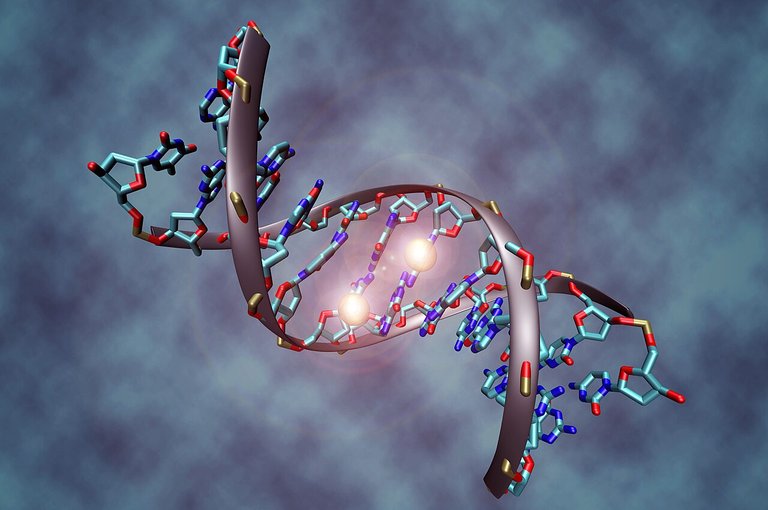
I leave a persistent trace of obesity in the T helper cells of the immune system. And this trail persists even after losing weight for 5-10 years. The authors of the study conclude that, as a result, the risk of some obesity-related diseases is likely to persist during these years.
Researchers have shown that the helper T cells (CD4+ lymphocytes) of obese people are labeled by a process of DNA methylation. And they have seen that this affects the functioning of these immune cells. Specifically, it has been found to affect two major processes: autophagy, which is the mechanism by which cells remove debris, and immune senescence, an early aging of the immune system.
As a result, researchers believe that weight loss does not immediately reduce the risk of certain obesity-related diseases. But if weight is maintained after the loss, this memory of obesity will gradually disappear. It has been clarified that more research is needed to know how long it takes to fully restore the effects of obesity on T cells.
Meanwhile, researchers want to take advantage of this finding to look for new treatments. They want to look for treatments that can compensate for the effect of DNA methylation and restore the functioning of the immune system so that it can be used in combination with weight loss treatments.
Buletina
Bidali zure helbide elektronikoa eta jaso asteroko buletina zure sarrera-ontzian