 Bilatzailea


The cocaine metabolite influences the movement of salmon
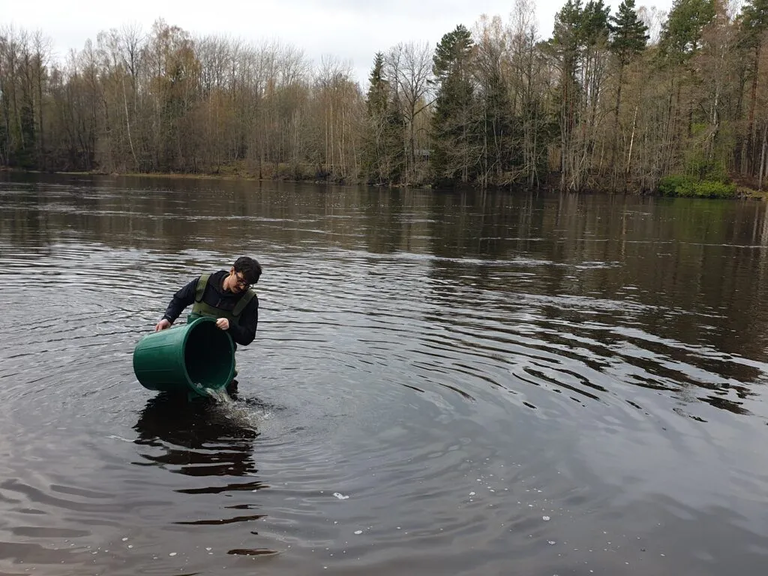
Australia has researched how cocaine affects the movement of salmon. The research, led by the University of Griffith, has shown that the metabolite of cocaine that reaches the natural habitat as a result of human consumption has a direct influence on the movement of salmon and, therefore, on their behavior.
Previously, numerous studies showed that cocaine has similar effects to humans on the behavior of animals, including fish. This time, however, they wanted to analyze its real impact on the natural habitat. To do this, on the one hand, the concentrations of the cocaine metabolite (benzoylcholine) in the salmon have been measured and, on the other, the movements of the salmon have been monitored.
“The effect of the metabolite is even more pronounced than cocaine itself.”
The benzoylcarryover is removed from the body by urination and reaches the natural environment in sewage water. This is because the scrubbers are not prepared to scrub these compounds. Well, fish exposed to the metabolite swam almost twice as far away as those in the control group. This effect is even more pronounced than that of cocaine itself.
Moving further and going further has implications for nutrition, the risk of encountering predators, and the interaction between members. In addition, the researchers remember that salmon are already suffering the consequences of climate change, so this type of stressors are even more harmful to them.
“They have opted for a comprehensive strategy to prevent this type of pollution.”
On the other hand, it is clarified that it is safe to eat these fish, that is, that the concentrations measured in them have no effect on humans. Finally, they warn that in addition to cocaine, many other drugs and psychoactive substances arrive in the environment and bet on an integral strategy to avoid this type of pollution.
Buletina
Bidali zure helbide elektronikoa eta jaso asteroko buletina zure sarrera-ontzian