
 Bilatzailea

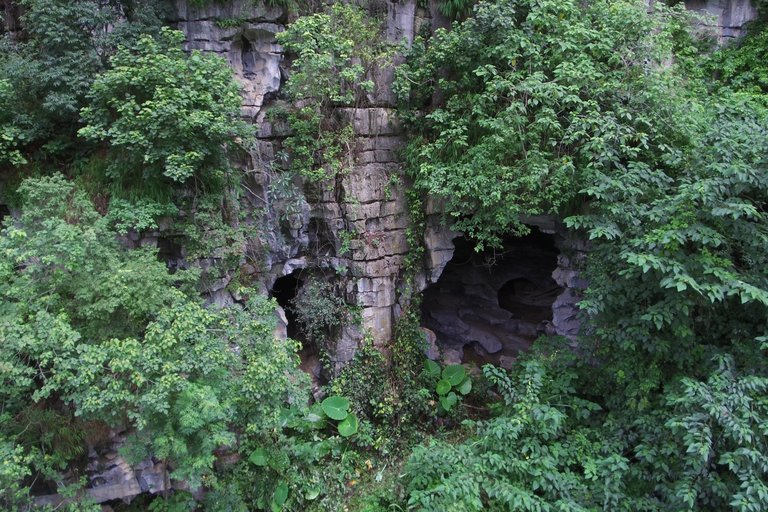
A total of nine teeth have been found in caves called Baxian and Naxian in southern China, eight of which belong to individuals of the Homo erectus species. The study of teeth and nearby sediments by radiometric dating has concluded that they date back between 324,000–184,000 years. According to previous studies, the Homo erectus species disappeared in Continental Asia about 400,000 years ago, so the new discovery has filled a gap in the study of the evolution of the species.
“The morphology of another tooth does not match the teeth of H. erectus, Neanderthal or H. sapiens.”
The findings have been published in two articles. In one of them, it has been explained that eight of the nine teeth found by the researchers belong to individuals of the Homo erectus species, but correspond to a population unknown until now. The morphology of another tooth does not match H. erectus, not Neanderthal, not H. with teeth of the species Sapiens, and researchers have suggested that it may belong to the denivores. It is therefore concluded that at least two lineages of ancient men lived in the same region at that time.
As explained in the second article, H. the elements detected in the teeth of Erectus indicate that they ate food from tropical ecosystems. To date, Homo sapiens were thought to be the only surviving lineage in tropical forests.
Irati Diez Virto
Elhuyar Zientzia