 Bilatzailea


The human ovary does not become a functional organ after menopause
Contrary to what has been thought, the ovaries do not become organs without function after losing their reproductive capacity.

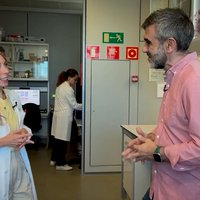
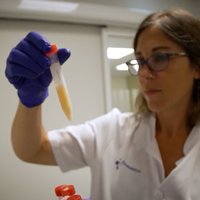
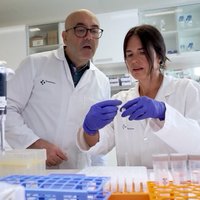
To study how ovaries change after menopause, a study looked at healthy ovaries in 28 postmenopausal women. Analyzing the tissues of the organ and the proteins it produces, the authors conclude that the ovaries continue to change after menopause.
“The ovary communicates with other organs, even after menopause.”
50–59 there have been clear differences between the ovaries of women aged 70 and older: in younger women, proteins are primarily associated with the regulation of RNA and gene function, while in older women, the ovaries are more inflamed and native proteins are more associated with metabolism, intracellular transport, and immune system defense mechanisms.
The authors note that the ovary communicates with other organs, even after menopause, including the brain and bones. This is why many women have bone problems after menopause.
On the other hand, the researchers found that, although the tissues of all ovaries studied were healthy, there were more proteins related to ovarian cancer in the older organs. This finding does not mean that all women will have cancer after menopause; it only suggests that the state of inflammation in the ovary may be appropriate for cancer cells.
The discovery clarifies that human ovaries are not just reproductive organs and can influence the aging process of women.
Buletina
Bidali zure helbide elektronikoa eta jaso asteroko buletina zure sarrera-ontzian