 Bilatzailea


A new therapeutic target for one of the most aggressive primary liver cancers has been identified
The MARCO receptor has been identified as a key element in the regulation of the pro-tumoral environment of the cancerous form of cholangiocarcinoma.
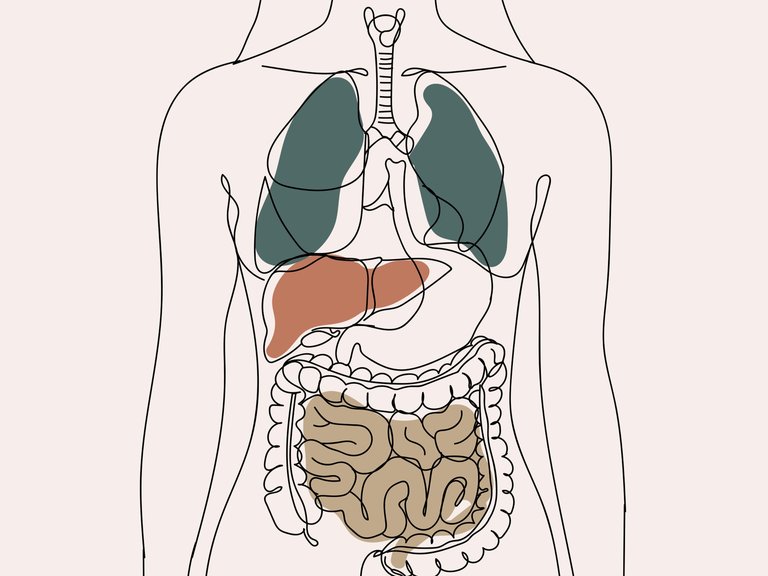
An international study led by researchers from the UPV and IIS Biogipuzkoa has shown that the MARCO receptor can be a therapeutic target for the treatment of intrahepatic cholangiocarcinoma. Cholangiocarcinoma is one of the most aggressive forms of liver cancer and one of the worst prognoses. Because of its non-specific symptoms in the early stages, it is often diagnosed when the cancer is advanced, making treatment difficult.
The main author of the study is Aloña Agirre Lizaso, co-directed by Dr. Matxus Perugorria and Dr. Jesús M. Bañales. The study was published in the journal Signal Transduction and Targeted Therapy.
Several studies carried out in recent years have shown the importance of the tumor microenvironment in the development and progression of cholangiocarcinoma. More than 60% of tumors have low cytotoxic T lymphocytes, and these cells are primarily responsible for the destruction of cancer cells. For this reason, the immune response is unable to effectively combat the tumor.
In this context, the study has identified the MARCO receptor as a key element in the regulation of the protumoral environment. The study group has shown that the MARCO receptor is expressed in a specific subtype of tumor-related macrophages. These macrophages slow down the anti-tumor response, thereby increasing the cancer itself and the resulting tumor fibrosis.
Analysis of tumor samples from some patients has shown that tumors with high MARCO expression are associated with lower survival and a more aggressive tumor environment. In addition, it has been shown that the use of an anti-MARCO antibody in the treatment reduced tumor size in animal models, further enhancing the therapeutic value of this strategy.
Therefore, in view of the results, it can be said that MARCO can be a promising immunotherapeutic target in the treatment of intrahepatic cholangiocarcinoma. The researchers emphasize that blocking this receptor may help reverse tumor immunosuppression and strengthen the immune system's ability to fight cancer.
Buletina
Bidali zure helbide elektronikoa eta jaso asteroko buletina zure sarrera-ontzian
Bizitza


Aldizkaria
Kolaboratu
Zure lana argitaratzea nahi duzu?
Gai zientifiko bati buruzko artikulu bat baduzu, bidali eta sarean zein aldizkari inprimatuan argitaratu dezakegu.