 Bilatzailea


The structure of the female brain changes in the transition hormones
A study examines changes in women’s brains in three transition hormones: puberty, pregnancy, and menopause.
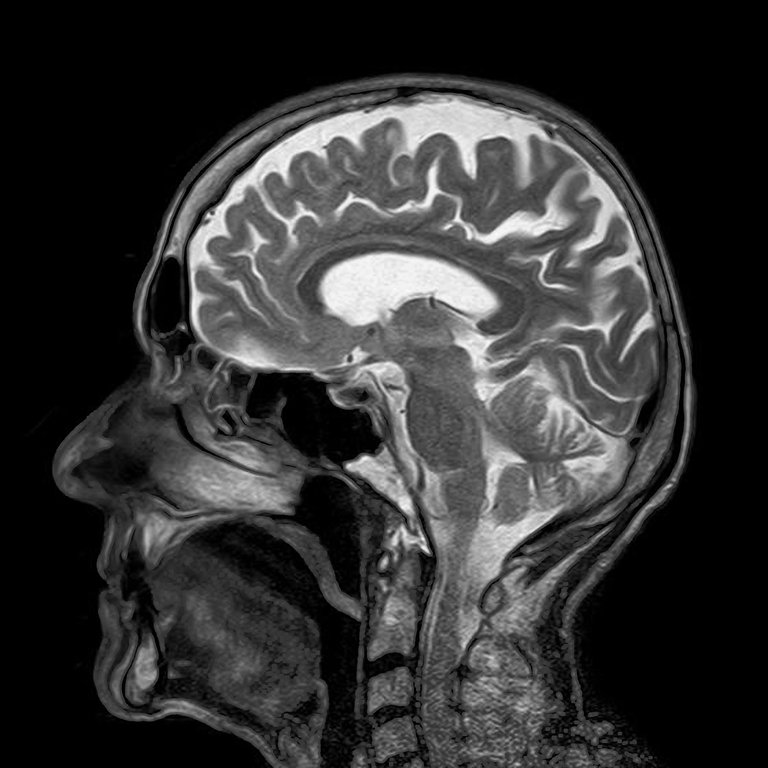
According to a study published in Nature Communications, the changes that the female brain undergoes during menopause are very different from those that occur during pregnancy and puberty. Transitions to puberty and pregnancy result in a decrease in total brain volume and cortical gray substance, while no such changes have been observed during the transition to menopause.
Puberty, pregnancy and menopause are significant hormonal transitions with obvious effects on the brains of women experiencing these phases. To further investigate these effects, they have photographed the brains of more than 1,000 women by magnetic resonance and compared the brains of women in transition from one hormonal phase to another with those of women who were stable at each phase.
“The observed changes in brain structure are consistent with previous knowledge of changes in sex hormones.”
The results show that the effect of transitions to puberty and pregnancy on the brain structure has similarities, since in both cases the loss of the gray substance is accelerated. During menopause, this loss appears to slow down. Experts say that the changes observed in the structure of the brain are consistent with what is previously known about changes in sex hormones. In fact, sex hormones increase during puberty and pregnancy, and decrease during menopause.
However, the authors explain that the study has several limitations and the need for further studies. Among other limitations, although they argue that changes in brain structure may be due to sex hormones, these hormones have not been directly investigated during the study. With all caution, this is a necessary analysis on a subject that is not given much attention.
Buletina
Bidali zure helbide elektronikoa eta jaso asteroko buletina zure sarrera-ontzian
Bizitza




Aldizkaria
Kolaboratu
Zure lana argitaratzea nahi duzu?
Gai zientifiko bati buruzko artikulu bat baduzu, bidali eta sarean zein aldizkari inprimatuan argitaratu dezakegu.