 Bilatzailea


Photo of the week: plants in the greatest mass extinction on Earth
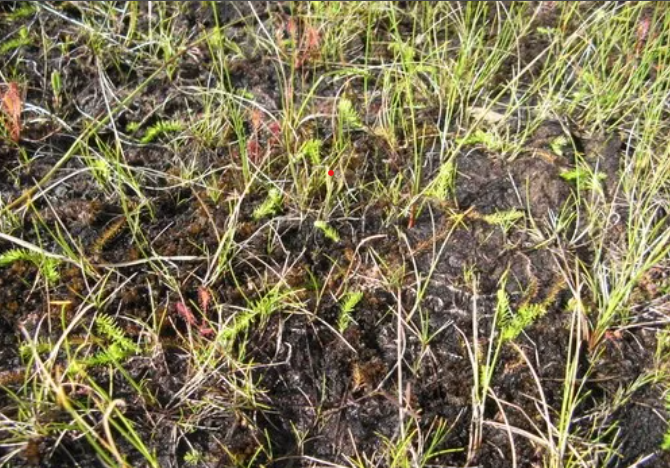
How did plants survive the greatest mass extinction on Earth? This is the question that a study tries to answer, since science has not clarified in detail what happened to them in the extinction of the Permo-Triassic, which occurred 252 million years ago, the greatest loss of biodiversity that the Earth has ever suffered.
As a result of massive volcanism, CO2 levels in the atmosphere increased dramatically, causing global warming to 40–65 °C and causing widespread anoxia and ocean acidification. As a result, 81% of marine animal species and 70% of terrestrial vertebrates disappeared.
In the case of plants, the forests disappeared and only simple and poorly diversified vascular plants remained: mainly lycophytes. The reason for the persistence of these plants has now been clarified: they made changes in photosynthesis due to stress, achieving a more flexible and efficient photosynthesis with respect to water. It is called CAM photosynthesis, which may have saved them from mass extinction according to a study published in Nature Ecology & Evolution.
Buletina
Bidali zure helbide elektronikoa eta jaso asteroko buletina zure sarrera-ontzian