 Bilatzailea

Confidence in science has diminished
A wide-ranging global survey has concluded that confidence in science has declined, and today WHO launched a movement to respond to this trend.
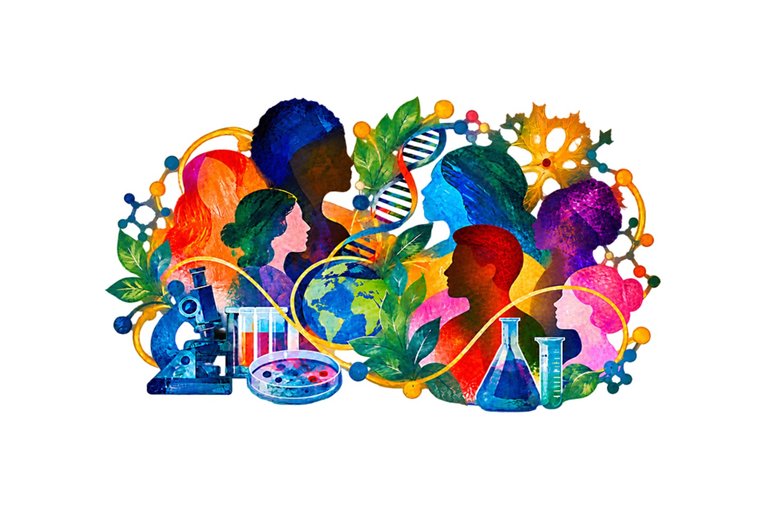
The Wellcome Global Monitor 2026 report includes the results of a survey of over 140,000 citizens in 140 countries. According to the report, confidence in science has decreased since the COVID-19 pandemic, but the differences are evident according to the socioeconomic level of the population.
“People who struggle to survive on their current income, compared to those who live comfortably, are half likely to trust science a lot.”
Society is very confident in scientists in general. Only doctors and nurses are above scientists at the level of trust. But the results of the survey have shown that in 2020 80% of the population had medium or high confidence in scientists, while in 2025 it fell to 72%. The authors have linked this change to the COVID-19 pandemic.
However, the authors explain that confidence in science is closely related to the situation of each person and their experiences. In this sense, the level of confidence has decreased the most among people with economic difficulties. People who have difficulty surviving on their current income, compared to those who live comfortably, are half likely to rely heavily on science (20% versus 39%). Moreover, people who had less confidence in national institutions, government and the health system also had little confidence in science.
In response to the situation revealed by this survey, the WHO launched today the Together for Science and Health campaign. The campaign will aim to ensure that science is inclusive, reliable, accessible and serves to promote health for all.
“The purpose of science is not just to make discoveries; the purpose of science is to improve people’s lives and ensure that we all have the opportunity to benefit from these improvements.”
This movement seeks to bring together institutions, researchers, policy makers, health workers, communities and other potentially interested groups to strengthen the presence of scientific evidence in decision-making and public policies.
In fact, science is developing at a high speed, but society has problems adapting to these advances at the same speed, because regulatory systems are developing more slowly than science. On the other hand, science and disinformation coexist, and this complex situation generates social confusion, undermines confidence and also affects health.
For this reason, Juntos por la Ciencia y la Salud (Together for Science and Health) aims to promote joint action and lists a set of values to ensure that science remains credible, ethical and socially relevant today and in the future: respect, integrity, scientific rigor, ethical responsibility and inclusion.
As WHO Chief of Science Dr. Sylvie Briand has pointed out, “the purpose of science is not just to make discoveries; the purpose of science is to improve people’s lives and ensure that we all have the opportunity to benefit from these improvements.”
Buletina
Bidali zure helbide elektronikoa eta jaso asteroko buletina zure sarrera-ontzian