 Bilatzailea


Many species of intestinal microbiota have disappeared
Over thousands of years, human evolution has been accompanied by the evolution of a wide variety of intestinal microbiota, but since industrialization many species of this microbiota are disappearing.
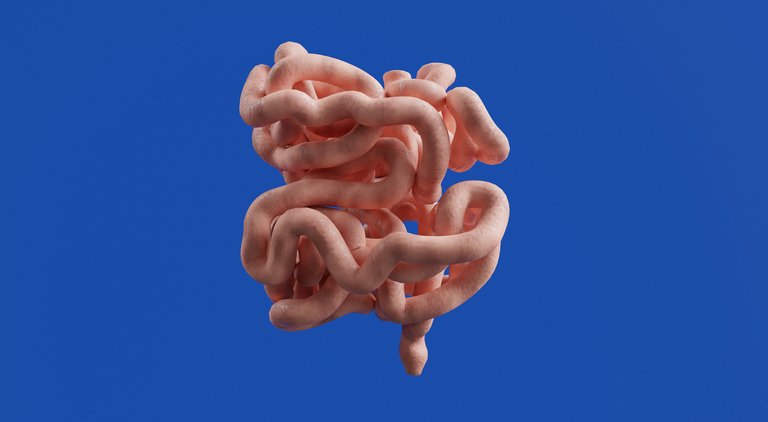
A study has concluded that the intestinal microbiota of non-industrialized human populations often contain the same species of microorganisms, while in the intestinal microbiota of industrialized populations many of these species do not appear or are very scarce.
“The two hunter-gatherers account for 87% of the species in the intestinal microbiota of these populations.”
To study how the gut microbiota has changed over the course of evolution, we compared the gut microbiota of the population of different populations: the population of two current non-industrialized populations and the population of human populations in industrialized countries. These first two populations are the Tsimane farmers in Bolivia and the Hadza hunter-gatherers in Tanzania, who live far apart and have had no direct contact with each other since their ancestors separated thousands of years ago.
However, the results show that 87% of the species in the intestinal microbiota of these two populations are the same. Some of these species are common throughout the world, but 60% do not appear in the microbiota of human populations living in industrialized countries or are rare.
“This change may have affected human health.”
On the other hand, genetic analyses of 636 species of microorganisms present in the microbiota of the two non-industrialized hunter-gatherer populations have shown that these species have evolved together with human populations to the present day. Just as the trace of human ancestry migration from Africa to America can be read in genes, the trace of this migration has also been stored in the microbiota of these populations.
The authors conclude that with the evolution of humans, a variety of intestinal microbiota has also evolved and this microbiota has survived for thousands of years. However, since industrialization, many species of this rich microbiota have disappeared. Researchers say this change may have affected human health, but more research will be needed to find out if it has.
Buletina
Bidali zure helbide elektronikoa eta jaso asteroko buletina zure sarrera-ontzian