 Bilatzailea


Space rocks become meteorites in seven steps
The rocks that reach the atmosphere from space are transformed into meteorites by a seven-phase process, if they are not completely decomposed beforehand.
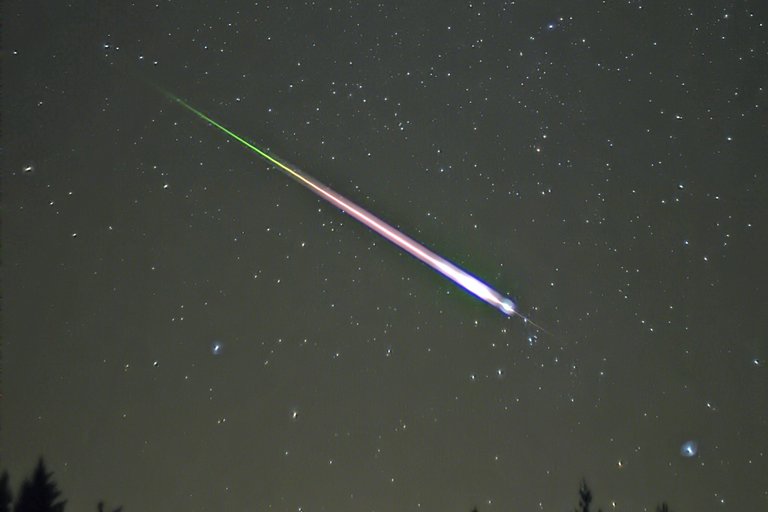
Rocks from space were thought to evaporate as they entered the atmosphere under the influence of high temperatures and fiery light. But an investigation reveals that the rocks melt first and then split. The parts that make up the whole process collide with the earth’s crust and are called meteorites.
“The collision creates heat, creating a glowing tail called a meteor behind the rock.”
The researchers analyzed videos and photographs of 75 meteorite falls and concluded that in each of the seven phases different physical processes occur that affect the appearance, posture and destination of the rock.
phase 1 is prior to entry into the atmosphere; the rock collides against the dense atmosphere and an expandable wave is generated in front of the rock. The shock produces heat and a bright tail, called a meteor, is formed behind the rock.
in phase 2, the rock penetrates the atmosphere and shines more and more. for phase 3, the rock becomes a fireball, begins to melt and loses material. Droplets are formed with the molten material and dispersed around it.
When the rock is at a distance of 60 km from the Earth's surface, it enters Phase 4. It continues to melt at a constant rate, so it can lose up to 40% of the matter. The atmosphere becomes denser near the Earth’s surface and the pressure begins to break the rock (phase 5). Sometimes the rock fragments produce glows.
phase 6 begins when the back of the rock breaks. This last large fracture creates a strong glow and the parts are dispersed.
in phase 7, the parts continue to melt and break and, due to their low weight, they lose speed and with it their brightness. Finally, the blackened fragments of rocks reach the Earth's surface.
Buletina
Bidali zure helbide elektronikoa eta jaso asteroko buletina zure sarrera-ontzian
Bizitza




Aldizkaria
Kolaboratu
Zure lana argitaratzea nahi duzu?
Gai zientifiko bati buruzko artikulu bat baduzu, bidali eta sarean zein aldizkari inprimatuan argitaratu dezakegu.