 Bilatzailea


The Ocean Treaty, a step towards the protection of the open sea
The United Nations Treaty on the Oceans has entered into force; however, so far only 80 countries have ratified the Treaty.
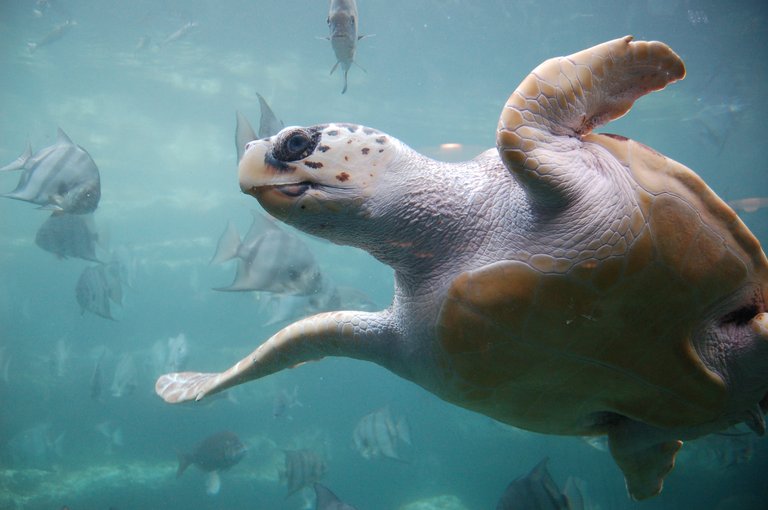
The United Nations Treaty on the Oceans enters into force. In fact, the official name of the treaty is the Agreement for the Conservation and Sustainable Use of Marine Biological Diversity in Areas Beyond the Jurisdiction of Nations. Therefore, the name indicates the purpose of the treaty, but it does not indicate the importance of ratifying this treaty. It is an important step in the protection of what is in international marine waters.
All countries have jurisdiction over the sea on their coasts. But what is the coastal sea of a country? Well, on the way to the open sea from the coast, there are several areas. Up to 12 nautical miles from the coast, the country has full exploitation capacity (up to 22.2 kilometers). For the next 12 miles, the country has some rights over these waters. And it can further distance itself and exploit the stretch of up to 200 miles economically. But beyond that 200-mile, they're international waters, and they're considered a world heritage.
That’s where the current change comes in. The treaty that has entered into force aims to ensure that the exploitation of these international waters is sustainable and that their biodiversity is protected. For the first time, a binding treaty has been signed to protect the open sea.
The problem is that not all countries have ratified the treaty. China does. As well as Germany, Japan, France, Brazil, Spain and other countries. 80 countries in total. But they are not all, and the United States is not on that list, nor is Russia, the United Kingdom or India. The Tanzanian diplomat who has led the negotiation of the treaty, Mzee Ali Haji, says that he believes that in the future all countries will ratify the treaty. All countries will realize that it is in their interest to be included in the treaty.
Buletina
Bidali zure helbide elektronikoa eta jaso asteroko buletina zure sarrera-ontzian