
 Bilatzailea


The single nucleotide mutation is sufficient for XX mice to develop testicles
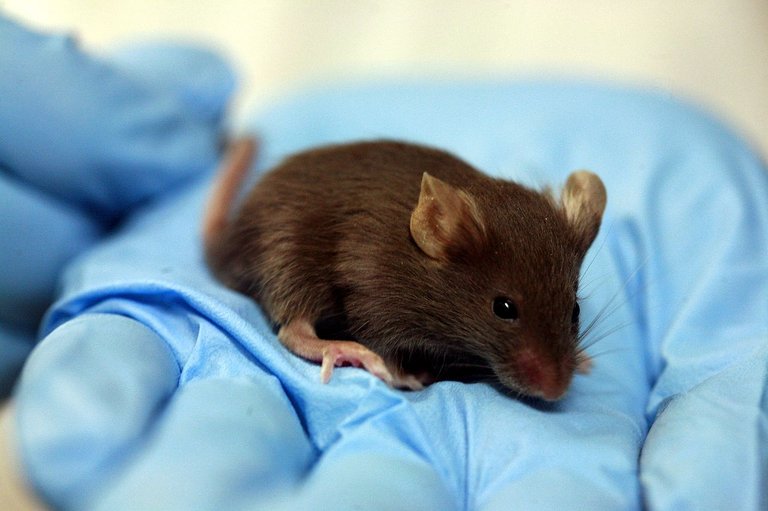
Scientists have long known that non-coding DNA is much more important than they once thought. Now, a study published in Nature Communications has shown that it is also key in sexual differentiation. In fact, in experiments with mice, it has been observed that sexual development is completely altered by a single nucleotide change in a non-protein-coding regulatory region: this single nucleotide change results in XX mice developing testicles and internal male genital structures.
“The experiment has shown that Enh13 acts as a switch.”
The researchers caused a mutation in the regulatory element called Enh13. Enh13 controls the activity of the Sox9 gene, its activation is essential for the development of testicles. For the normal development of the ovaries, Sox9 must be inactive. The experiment has shown that Enh13 acts as a switch: Induced CRISPR mutation led to failure of knockdown in females. As a result, Sox9 was activated and XX mice developed testicles.
It has been reported that humans also have this regulatory element. Therefore, its mutation is likely to be the cause of some cases of intersex.
Buletina
Bidali zure helbide elektronikoa eta jaso asteroko buletina zure sarrera-ontzian