 Bilatzailea


The sick immature ants emit a signal to make them disappear
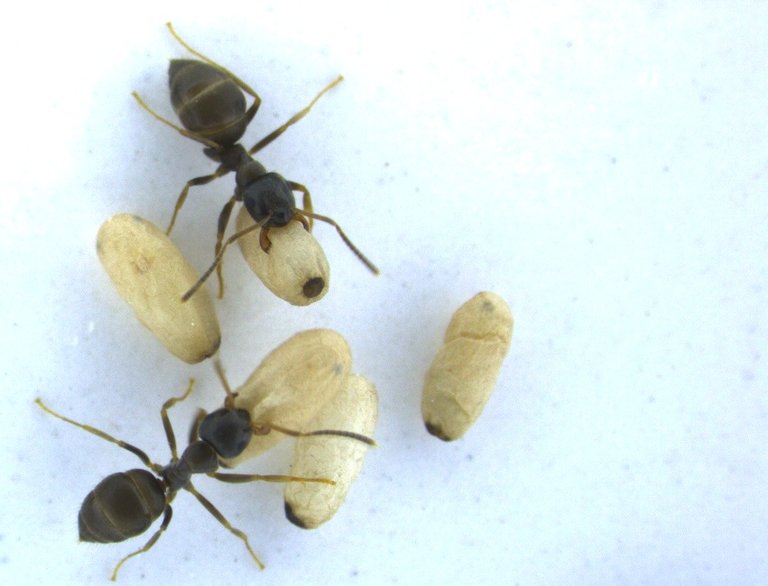
They have shown that the immature, diseased ants of a given species emit a chemical signal that can be destroyed by other members. In this way, the spread of the infection is prevented and the whole colony is protected. this mechanism has been investigated in ants of the Lasius neglectus species contaminated with the pathogenic fungus Metarhizium brunneum.
It was already known that sick adult ants leave the colony to prevent the disease from spreading. However, immature ants in the pupa phase cannot do so because they are immersed in a cocoon. Previous studies have shown that worker ants identify and destroy sick pupae, but researchers did not know if pupae were actively involved.
“They’ve seen ant colonies function like a superorganism.”
It has now been shown that infected pups release a chemical signal that changes their smell, causing adult ants to destroy them. If a chemical signal was applied to a healthy pupa, adult workers observed the destruction of the pupa, thus confirming the function of the chemical signal.
According to the researchers, this mechanism is a form of altruism that shows that ant colonies function as a superorganism.
Buletina
Bidali zure helbide elektronikoa eta jaso asteroko buletina zure sarrera-ontzian