 Bilatzailea


With big language models, the number of scientific works is increasing, but the quality is decreasing
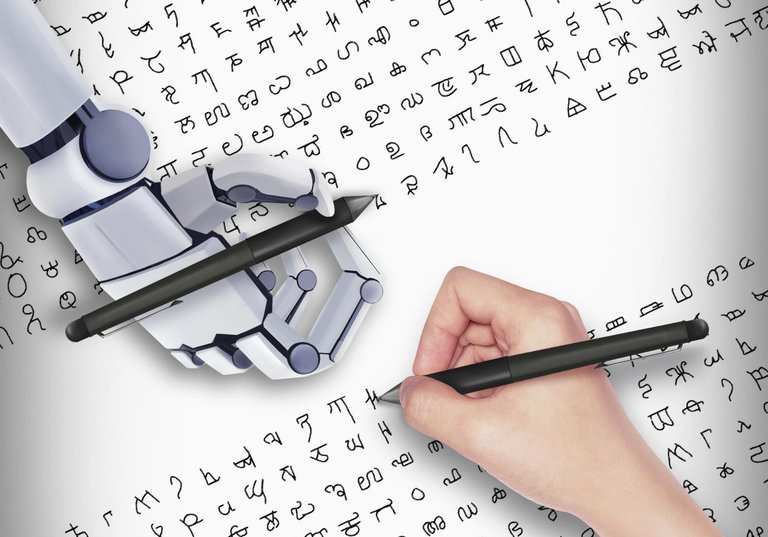
Some researchers in the US have analyzed the impact that artificial intelligence systems, and in particular large language models (HEH in Basque, LLM in English) are having on the production of scientific articles, analyzing the data before and after their use, concluding that, since a researcher decides to use this tool, his production increases by 23.7% and 89.3%, especially if he has writing and language barriers.
At the same time, the relationship between the complexity of writing and the quality of research has changed: The works created through the HEH, although with a more sophisticated language, have a low scientific quality.
“The works created through the HEH, although they have a more sophisticated language, have a poor scientific quality.”
Other differences have also been found, such as the fact that articles tend to have more references and allude to literature of different types. In addition, they cite younger scientists and more unknown articles.
According to the researchers, these changes have implications for peer review, journal editing, and review methodology. They therefore consider that this is a matter for consideration. The study was published in the journal Science.
Buletina
Bidali zure helbide elektronikoa eta jaso asteroko buletina zure sarrera-ontzian