
 Bilatzailea


GLP-1 agonists to influence the biological root of addictions
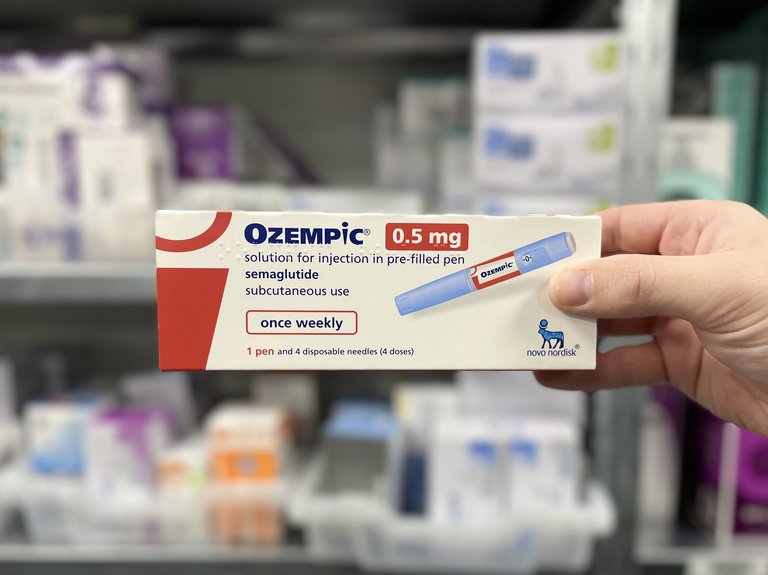
Researchers at the University of Washington have suggested that GLP-1 receptor agonists, used to treat diabetes and obesity, may also be effective in treating and preventing addictions to certain substances. These substances include, for example, alcohol, nicotine, cannabis, and opioids.
Previously, in patients taking semaglutide and tirzepatide for the treatment of diabetes, a decrease in the desire to consume these addictive substances has been observed. Moreover, a relationship has been observed between the administration of GLP-1 agonists and the decrease in hospitalizations, both related to alcohol and due to opioid overdoses.
In view of this, the researchers wanted to know if these antidiabetic drugs use the same mechanism in all addictions, regardless of the substance, even in those that consume more than one.
“A relationship has been observed between the intake of GLP-1 agonists and the decrease in hospitalizations, both alcohol-related and due to opioid overdoses.”
In fact, they explain that treatments are usually specific to each substance, for example, nicotine patches are useful to treat tobacco addiction, but not alcohol addiction. In contrast, the effects of GLP-1 agonists suggest that they influence the desire to consume. If proven, they may be effective in treating addictions to more than one substance.
Differences in sight
Thus, researchers have collected data from more than 600,000 veterans with type 2 diabetes within 3 years of starting drug treatment. They have two distinct groups: which comprise GLP-1 agonists such as semaglutide, liraglutide and dulaglutide, and which comprise another drug, the SGLT2 inhibitor.
During this three-year period, the consumption of an addictive substance (alcohol, cannabis, guinea pig, nicotine, opioids) and, since its previous use, those who needed emergency care, were hospitalized, died or tried to kill themselves were observed.
They have shown that those taking GLP-1 agonists had a 14% lower risk of starting to consume addictive substances. The difference was particularly pronounced in the case of alcohol (18%), cocaine and nicotine (20%) and opioids (25%).
‘The risk of overdose was, for example, 40 % lower and the risk of death was 50 % lower.’
Among those who already consumed, those who took GLP-1 agonists had fewer emergencies, hospitalizations and deaths associated with their consumption. The risk of overdose was, for example, 40% lower and the risk of death was 50% lower.
Because millions of Americans in the general population are taking GLP-1 agonists, researchers have predicted that they can have a significant impact on the effects associated with the consumption of addictive substances.
They warn that their use in the prevention and treatment of addictions requires specific clinical sessions, but they believe that they can open a way to influence the biological root of addictions.
Buletina
Bidali zure helbide elektronikoa eta jaso asteroko buletina zure sarrera-ontzian