 Bilatzailea


Ultra-processed foods related to fertility and embryo development
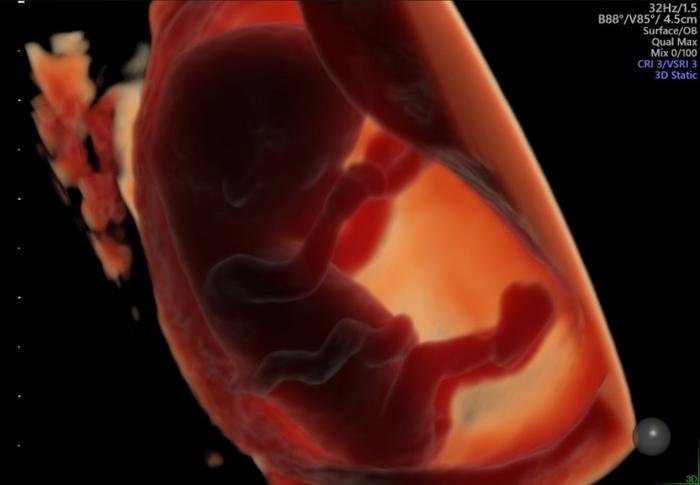
The consumption of ultra-processed foods has been linked in a study to a decrease in male fertility, inappropriate embryonic development and a smaller yolk sac. For the first time, the effect of these foods has been studied throughout the period from the fertility of the parents to the development of the embryo. The results have been published openly in Human Reproduction.
The study was carried out in the Netherlands and the consumption of ultra-processed products by the participating women was 22%. and men, 25%. The embryo size and the volume of the yolk sac were measured by ultrasound at 7, 9 and 11 weeks of gestation.
“They emphasize that men’s health care, in terms of fertility, is as important as women’s health care.”
The researchers conclude that people who want to become parents would benefit from reducing their consumption of ultra-processed foods. At the same time, they emphasize that men’s health care, in terms of fertility, is as important as women’s health care. In fact, it has been common for women to bear all the responsibility. Finally, they warn that the results of the study are limited, since they have not investigated the causal relationship.
Buletina
Bidali zure helbide elektronikoa eta jaso asteroko buletina zure sarrera-ontzian