 Bilatzailea


Fossil prototaxites were not fungi, but other organisms
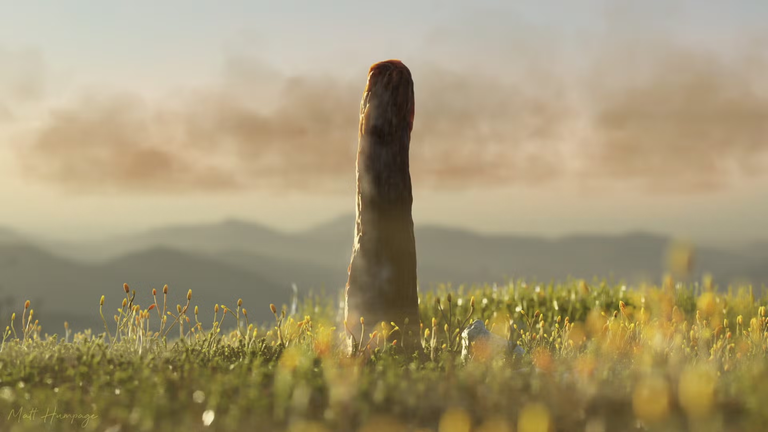
in 1850, fossils were discovered in Canada in the form of trunks. They were initially thought to be coniferous trunks. Later, with more specimens and more exhaustive studies, the plant condition was discarded and the possible existence of fungi was proposed.
They were called prototaxites, from 420-370 years ago (early Devonian), and could measure up to one meter wide and eight meters long. At that time, there were already ferns and, among them, those trunks would be remarkable. The fungal hypothesis gained momentum in 2017, when a study found that fungal structures in Prototaxites taiti were identified. Specifically, it was classified in the Ascomycota filum.
“To clarify the doubt, samples from the Rhynie Chert (Scotland) site have been investigated.”
Now, researchers at the University of Edinburgh have done another study to find out if Prototaxites taiti really was a fungus or another type of organism. They have investigated samples from the Rhynie Chert site in Scotland, which is not only good fossils of P. taiti, but also one of the richest fungal deposits of the time. Thus, the morphological and chemical analysis of fossils and their comparison with each other in a tea have led to the conclusion that the Prototaxites belonged to a specific branch of eukaryotes that has completely expired, completely rejecting the hypothesis that they were fungi.
Buletina
Bidali zure helbide elektronikoa eta jaso asteroko buletina zure sarrera-ontzian