 Bilatzailea


The UN has declared that the world has entered into water failure
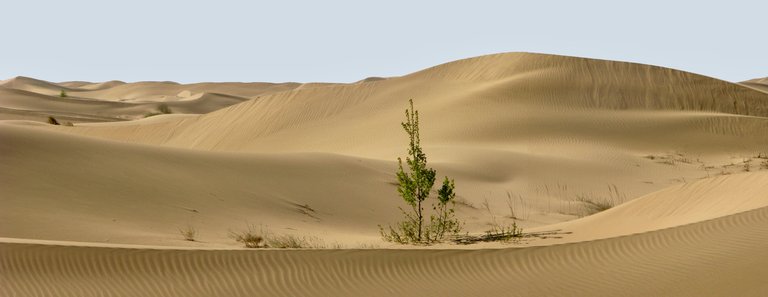
A United Nations report explains that the terms water crisis and water stress no longer correspond to reality because there are irreversible damages that have led many basins and reserves to a point of no return. Therefore, the authors of the report point out that it has entered into water failure, since there is no income and the savings (glaciers, wetlands, etc.) are being exhausted.
Under the circumstances, the authors call on world leaders to make science-based adaptations. In fact, many regions are living above their hydrological resources, and many critical water systems are irreversible.
The UN report is based in an article published in Water Resources Managementt. This article defines water failure as the continued overexploitation of surface and groundwater in terms of renewable flow rates and safe levels of depletion, resulting in the irreversible or high cost loss of water-related natural capital.
“Since water failure is not a succession of isolated local crises, but a global problem, the response must also be global.”
Thus, 75 per cent of humanity is located in countries classified as water insecure or critically insecure, and 4 billion people suffer from severe water shortages for at least one month a year.
Part of the system
They claim that although not all watersheds and countries are in bankruptcy, they are part of the same system and are interconnected through trade, migration, climate and geopolitical power relations, as is the case with climate. That is, it does not affect everyone equally, but the global situation is that of failure. Among the most critical points, the Middle East and North Africa stand out. In some parts of South Asia, agriculture and urbanization have also led to severe declines in water levels and land sinking in some areas.
According to the authors of the report, since water failure is not a succession of isolated local crises, but a global problem, the response must also be global. This includes preventing further damage, distributing risks and costs equitably, and adapting socio-economic systems to reduce water requirements.
Buletina
Bidali zure helbide elektronikoa eta jaso asteroko buletina zure sarrera-ontzian