 Bilatzailea


Some genetic variants associated with the risk of pregnancy loss have been identified
Some common genetic variants have been found to be associated with the risk of pregnancy loss. These variants affect the risk of having too many or too few chromosomes. In any case, the researchers have clarified that it is not possible to accurately predict individual risk and that the most important factors are still age and environmental factors.
About 15% of diagnosed pregnancies end in spontaneous abortion, and many others are lost at a very early stage and are not even detected. The most common cause of this is the presence of too many or too few chromosomes in embryonic cells, known as aneuploidy.
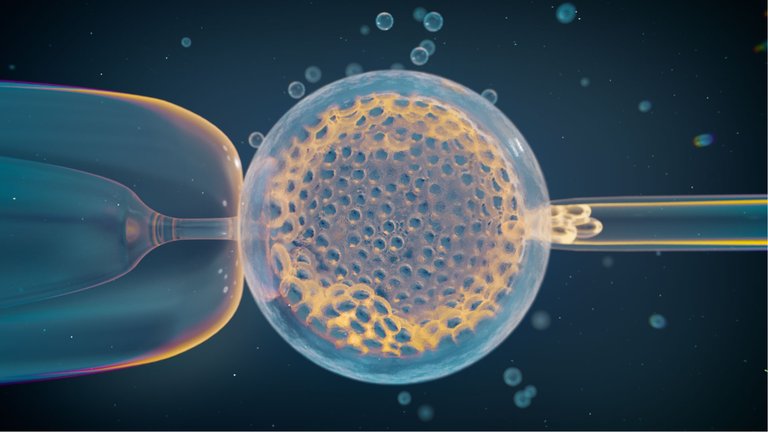
To investigate the effect of genetic factors on this, the researchers compared data from 139,000 embryos generated by in vitro fertilization with genetic data from parents. They have seen that certain genetic variants of the mother are associated with the risk of aneuploidy. Many of these variants are associated with meiosis, a key cell division process in eggs and spermatozoa.
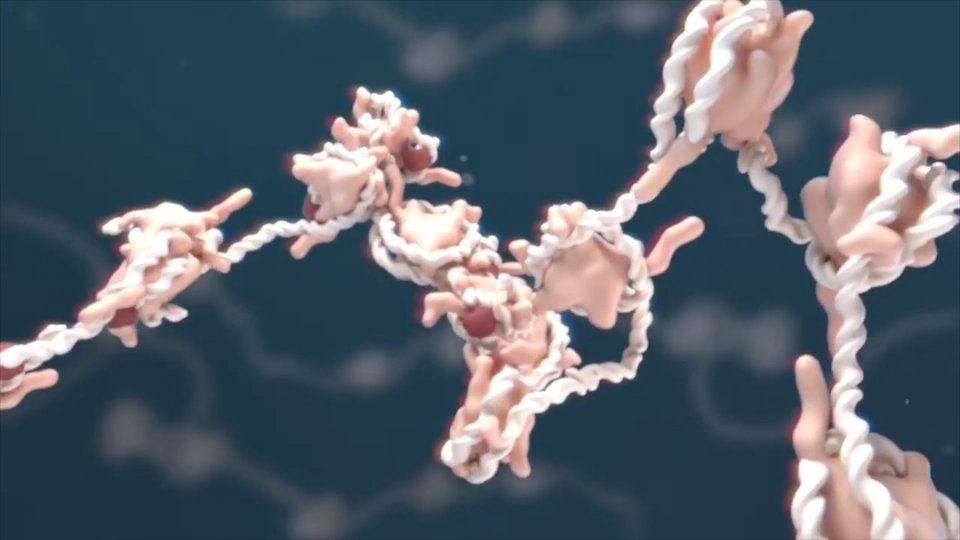
In women, meiosis begins before birth, during fetal development. But then it stops until ovulation occurs. During this long wait, problems can arise in the mechanisms that keep the chromosomes together. If this association fails, the chromosomes can be separated prematurely and, upon the resumption of meiosis, eggs with an inadequate number of chromosomes can be produced. Well, many of the genetic variants that have been found to be related to abortion are directly related to these mechanisms.
However, the authors emphasize that although genes related to spontaneous abortion have been identified, it is still difficult to predict the risk of the individual. In fact, each genetic variant has a very small impact compared to other factors, such as the age of the parents, or other environmental factors. However, they believe that the discovery could serve to develop treatments in the future.
Buletina
Bidali zure helbide elektronikoa eta jaso asteroko buletina zure sarrera-ontzian