 Bilatzailea


Photo of the week: Bison of Urbasa
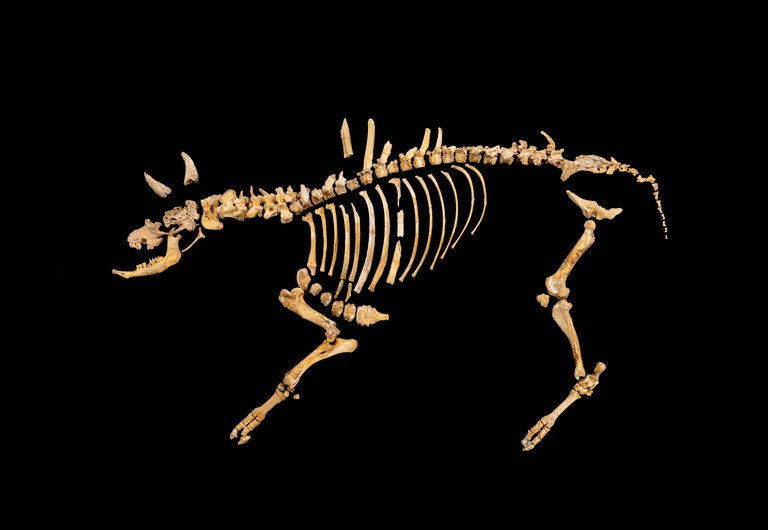
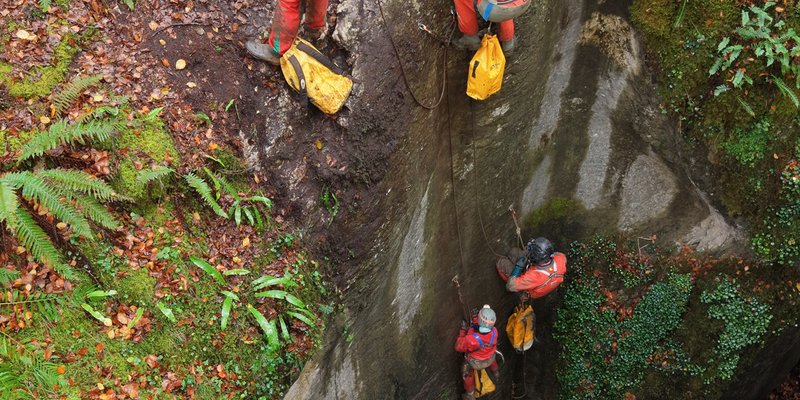
Urbasa-Andía has become the protagonist of this week with the discovery of the almost complete skeleton of a bison from 4,000 years ago. The bison appeared in the cave of Arrafela, within the campaign that was being carried out in October under the direction of the palontolologist Asier Gomez-Olivencia of the UPV. Researchers believe it is a European bison and will now launch genetic studies to confirm it with certainty. They would be, if confirmed, the first remains of the European bison exposed in the Iberian Peninsula.
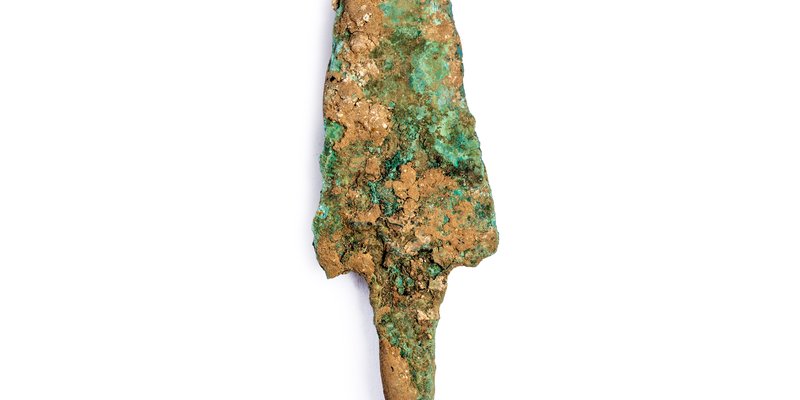
Given the size of the bones and branches, it is believed that it would have been a male animal of about 800 kg. European bison were smaller than the bison of the steppe. When a copper arrowhead is found on the flanks of the bison, it is deduced that the bison died while being hunted. He fell into the cave when he was wounded and died there. Faced with the possibility of being a European bison of the calcolyte period, it is possible that farmers and ranchers from 4,000 years ago hunted bison.
Government of Navarre Government of Navarre
They have also found remains of other animals that have fallen into the cave. Among them are those of a cave lion (Panthera spelaea), a rooster lyre (Lyrurus tetrix) and a white vulture (Neophron percnopterus). The researchers believe that they will allow a better knowledge of the ecosystems of Navarre at that time.
Buletina
Bidali zure helbide elektronikoa eta jaso asteroko buletina zure sarrera-ontzian