 Bilatzailea


The Antarctic
Most of the Antarctic is covered by a large layer of ice called inlandsis; and this continent seems to be nothing more than pure ice. The reality, however, is different. The weight of the Inlandsis ice sheet has caused the sinking of the Antarctic continental plate, which is now composed of granite rock below sea level, crushed by the ice sheet. This layer has a thickness of 2,500 meters, where 90% of all the fresh water in the world is located.
It is often called the “pulsating continent” because its surface varies according to the seasons. In summer, for example, Antarctica has an area of 14 million km2, 23 times the size of the Iberian Peninsula, while in winter, when the sea around the continent freezes, the area doubles.
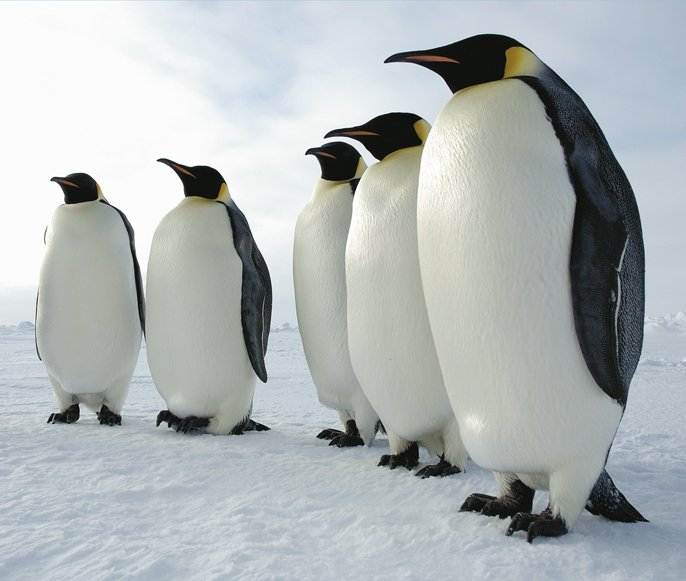
The climate of the continent is extremely polar, with an average temperature of 17 degrees below zero. However, there was even a lower one. Antarctica holds the world’s lowest temperature record: -89 degrees Celsius. Due to these harsh climatic conditions, the vegetation is very scarce; only a few algae, mosses and lichens. The fauna is also scarce; only the penguin emperor has managed to survive in this extreme of the world all year round. Other animals—sea elephants, seals, birds, and other penguin species—only go in summer when the coastal ice melts.
As far as the presence of human beings is concerned, the “frozen continent” does not have its own citizens. Only groups of scientists and military personnel from countries that claim Antarctic lands for themselves live there for several months. In winter there are about 1,000 people, while in summer there are 10,000.
Buletina
Bidali zure helbide elektronikoa eta jaso asteroko buletina zure sarrera-ontzian