 Bilatzailea


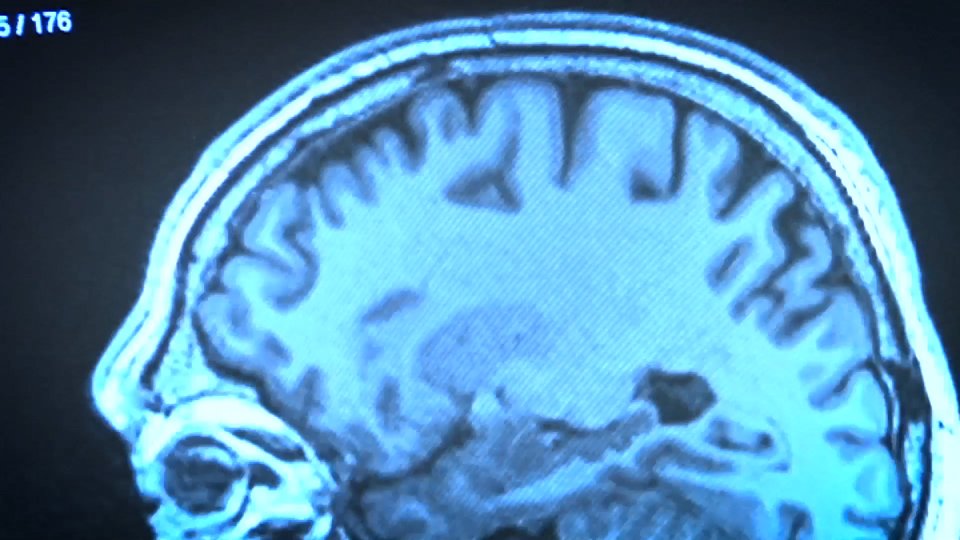
The folds of the brain
Much remains to be fully understood about brain folds, but it is well known that some diseases, such as schizophrenia or autism, are associated with irregular wrinkles in the cerebral cortex.
On the other hand, Albert Einstein lacked a fold in the brain, which is probably why the region of mathematical reason in the brain has grown, that is, Einstein’s genius is likely due to a missing fold in the brain.
The outer folds of the brain give its familiar appearance to the organ we think of. But why does the brain have folds? The folds divide the fields of functions related to conscious thinking and are the result of the folding of grey matter 2 or 3 mm thick.
But the folds mainly serve to increase the surface of the brain, because if we expanded the whole outside of it, we would get 30 times the surface of the skull.
If we compare a brain with folds to another flat brain of the same volume, the folded brain will have a greater intellectual potential, since it will have a significantly larger "useful" size, so the amount of gray matter inside the skull will also be greater.
Buletina
Bidali zure helbide elektronikoa eta jaso asteroko buletina zure sarrera-ontzian