 Bilatzailea


Assisted by Oposene Alzua
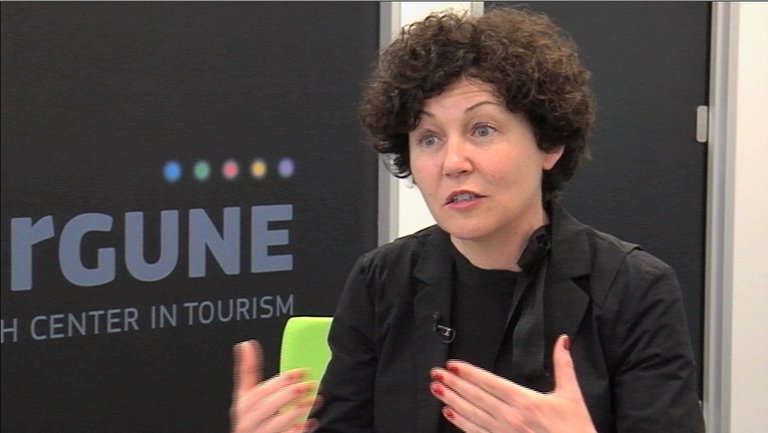
CIC tourgune is a cooperative research centre that studies tourism and human mobility.
Multidisciplinary researchers aim to develop cutting-edge science and technology.
The knowledge and technology generated is channeled to the
industry. Oposene Alzua /Scientific Director
I believe that we can consider some elements to better understand our work. First, environmental intelligences. We see that around us, in this physical environment, there are increasingly smaller, more diverse, more connected technologies, tools. I can link to the Internet everywhere. So we have to realize that our environment is becoming more and more intelligent. The trend today is to resort to smart, intelligent cities.
What does that mean? That all or many of the elements that exist in this city are connected to each other and that there is a certain technological infrastructure to make this connection possible.
Another element that we should keep in mind is that people travel or move more and more in this day to day. In addition, with us, we carry in our pocket a mobile phone or many tools of this type that connect with this intelligent environment.
And finally, I would say that, as a result, another phenomenon is happening: the world of data. These are the digital steps of our digital steps or of all the systems that exist in the area. We are creating a diverse and complex digital world.
We should understand how these physical, social or social frameworks and the digital world converge more and more and this convergence or unification creates a new paradigm.
In this new paradigm we have defined three areas of knowledge.
The first is tourism systems in the digital age. The main objective is the development of intelligent systems, intelligence technologies. Let me give one as an example: we have developed a system that supports price dynamics for direct tracking in the digital world. What does this system do? Receive all the prices and availability of the hotels. And this makes it possible, for example, to carry out a direct monitoring of the Spanish digital market in real time. It has a tremendous capacity to increase the competitiveness of small businesses because they see how the market does it on a daily basis and can make decisions about it.
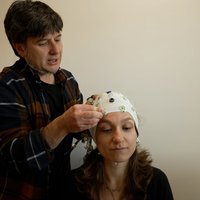
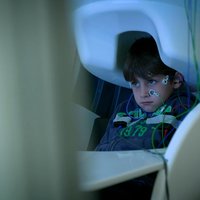
We have defined the second area of knowledge as human mobility and technologies. What we do in it is the design and development of services that can be developed by different mobile devices. We have developed an emotionometer, for example, by putting our mind forward and taking our concerns even further. This app helps us track the circumstances and transformations of a person’s emotions. This on the one hand helps to shape the service according to the mood of this person and on the other hand allows us to do emotional cartography. Therefore, we are able to see, represent and analyze the emotions of our city or territory. Therefore, our goal would also be to design happier places.
Finally, the third hope is tourism and the environment or spaces. In it we study comfort, comfort, eco-innovation, the relationship between people, society and the environment. In this sense the third line looks, for example, at the reception spaces of the future. It could be a hotel. What will the hotels of the future look like? What should the reception be like?
Today there are more than 1,000 international tourists. by the year 2020, international tourism will move 1,600 million people.
Buletina
Bidali zure helbide elektronikoa eta jaso asteroko buletina zure sarrera-ontzian