 Bilatzailea


The genetic catalogue of microorganisms in the estuaries of the Basque coast has been completed
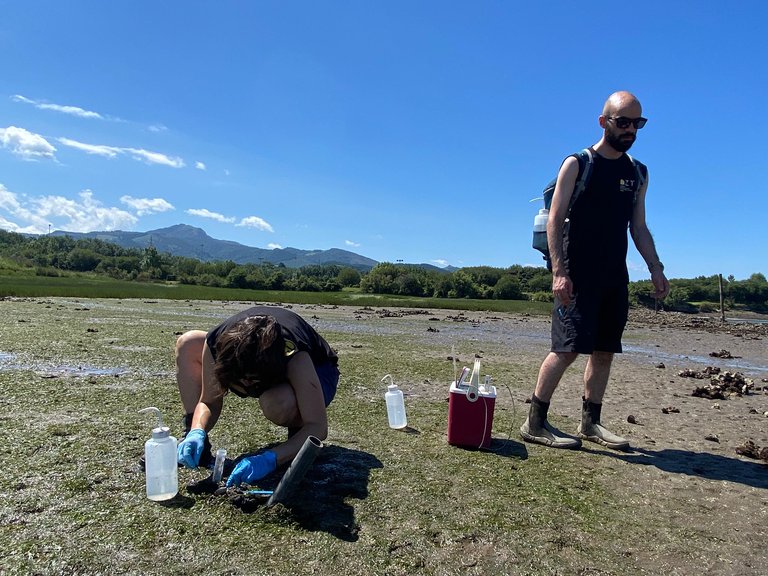
An international research group led by AZTI has completed the first genetic catalogue of sediments in estuaries on the Basque coast. The catalogue serves to understand the biodiversity of the microorganisms that inhabit these ecosystems.
According to AZTI, this is the first systematic attempt to genetically characterize the habitats of estuarine sediments using metagenomic techniques. In this work, 92 sediment samples from 12 estuaries have been analyzed. 108 million genes and 471 genomes of microorganisms (bacteria, archaea, eukaryotes and viruses) have been identified by metagenomics.
This genetic catalog will allow researchers to study how microorganisms maintain the functioning of estuarine ecosystems and how they respond to human pressures. In fact, the genetic information collected will allow the identification of markers associated with pollution or loss of ecological quality.
They also emphasize that this resource provides a solid basis for bioprospecting and biotechnology applications, since it allows the identification of genes that may be applicable in sectors such as blue energy, aquaculture or the food industry.
Thus, among the main practical applications they mention: Development of DNA-based ecological status indices, port biomonitoring for the detection of invasive or pathogenic species, management of dredging and pouring activities, monitoring of blue carbon in estuaries and directed biocleaning.
Following the principle of open science, all research results, sequences, functional and taxonomic annotations, as well as all reconstructed genomes, have been made available in public registers (ENA and BioStudies) so that they can be reused by the scientific community in future research.
Buletina
Bidali zure helbide elektronikoa eta jaso asteroko buletina zure sarrera-ontzian