
 Bilatzailea
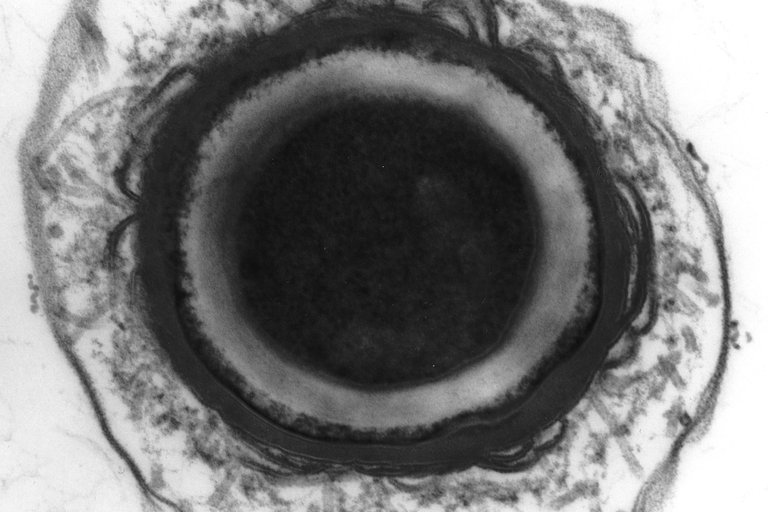
The Norwich Food Research Institute (UK) has compared the genomes of five strains of the bacterium Clostridium botulinum to broaden the knowledge about the toxin causing botulism. Specifically, researchers have analyzed the group of genes that encode botulinum toxin, since they wanted to know how it has evolved.
One of the first findings was that the genomic fragment with neurotoxin information is very similar in the five strains. This suggests that the bacteria received all of the genes in a single transfer. In fact, in bacteria it is very common to exchange genes through the process called horizontal transfer.
In the same region with genetic information about botulinum toxin, researchers also found genetic information about two other toxins that are no longer functional. In view of this, they conclude that this region of the genome can be a “hot spot” for the exchange of genes.
Oihane Lakar Iraizoz
Elhuyar Zientzia Elhuyar Fundazioko Zientziaren Komunikazioa sailean ari da lanean 2006ko urriaz geroztik. Elhuyar Zientzia eta Teknologia aldizkarian ia hilabetero artikuluak argitaratzen ditu, eta Basque Research webguneko arduraduna eta erredaktorea ere bada. Euskal Herrian egiten den ikerketaren berri ematen du Basque Researchek. Biologian lizentziatua da, Leioako EHUn egin zituen ikasketak, eta, Elhuyar Fundazioan baino lehen, Bertiz Jaurerria Parke Naturalean aritu zen lanean, bisitariei harrera egiten eta ingurunea zaintzen.